pith. machine review for the scientific record. sign in

physics.bio-ph

Biological Physics

Molecular biophysics, cellular biophysics, neurological biophysics, membrane biophysics, single-molecule biophysics, ecological biophysics, quantum phenomena in biological systems (quantum biophysics), theoretical biophysics, molecular dynamics/modeling and simulation, game theory, biomechanics, bioinformatics, microorganisms, virology, evolution, biophysical methods.

0
physics.bio-ph 2026-05-14 Recognition

Onsager principle yields unified diffuse-domain models for interfaces

Onsager-variational formulation of diffuse-domain methods for computational modeling of microscale fluid-structure interactions

Sharp-surface energies are embedded via delta density to recover sharp limits and produce vesicle and active-shell models.
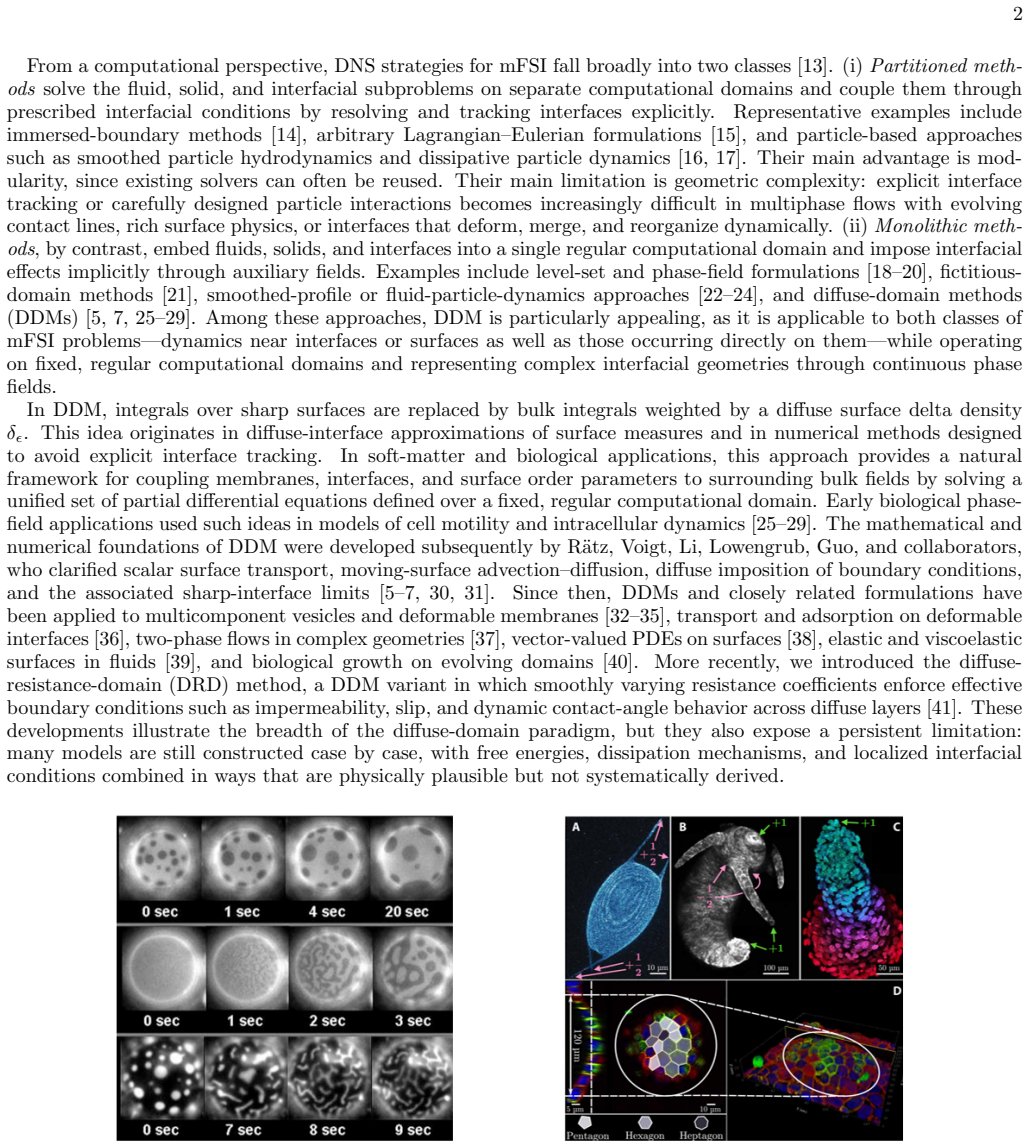
Figure from the paper full image
abstract click to expand
Direct numerical simulation of microscale fluid--structure interactions in multicomponent and multiphase flows requires methods that can represent moving boundaries together with fields constrained to evolving interfaces. Diffuse-domain methods (DDMs) address this geometric difficulty by replacing sharp surfaces with diffuse volumetric representations on regular computational domains. Here we formulate DDMs using Onsager's variational principle. Instead of extending sharp-interface equations and boundary conditions term by term, we embed sharp-surface free-energy and dissipation functionals into the bulk through a diffuse surface delta density and derive the governing equations from the Rayleighian. The framework distinguishes balance-law fields, internal nonconserved order parameters, and kinematic or constitutive rate variables. It also clarifies a key moving-surface distinction: conserved surface densities are transported by the full material surface velocity, whereas explicitly tangential vector and tensor internal variables require projected objective or co-rotational rates within their admissible tangential state spaces. For scalar transport on rigid and deformable interfaces, and for interfacial hydrodynamics near rigid walls, the formulation recovers established DDM models and their sharp-interface limits. The same variational construction yields coupled diffuse-domain models for multicomponent deformable vesicles with surface viscosity, tangential slip, and finite areal compressibility, and for active shells carrying chemical and tangential vector order. These results provide a unified route to thermodynamically consistent passive DDMs for interfacial and surface dynamics, while allowing active stresses through active work power. The framework is relevant to soft matter, microfluidic interfaces, biological membranes, and morphogenetic surface dynamics.
0
0
physics.bio-ph 2026-05-13 2 theorems

Beverage waste drives top mycoprotein growth rates

Kinetics of Mycoprotein Production from Alternative Carbon Substrates

Screening shows expired functional drink beats pure sugars in speed, biomass titre and reduced byproducts.

abstract click to expand
High throughput screening was used to study of the biokinetics of F. venenatum A3/5 cultivation on alternative carbon substrates, including monosaccharides, disaccharides and mixtures relevant to food & beverage, dairy and agricultural waste streams. Expired functional drink from the beverage sector was also assessed as the primary carbon source for mycoprotein production. Growth data was analysed using modified single and multiphase Gompertz models for comparison of maximum specific growth rate and progression milestones across diverse growth regimes. Time-series substrate and byproduct data was analysed using comparative metrics, providing an explanatory basis for the different growth phenotypes observed. Substrate type strongly influenced the apparent carbon allocation strategies, with rapidly consumed sugars such as glucose and sucrose supporting high growth rates, low biomass yield and a high degree of fermentative byproduct formation. Fructose and xylose cultivations led to slower overall growth but higher biomass yield and lower byproduct formation. Galactose and lactose showed distinct dynamics that suggested co-existence of transport and metabolic induction limitations. In all dual-substrate systems, sequential utilisation was observed. However, metabolic inheritance and environmental shift effects were highlighted as potential kinetic limitations. These conditions exhibited stunted diauxic growth and low yield from secondary sugars, with glucose-dominated primary growth significantly reshaping secondary substrate efficiencies relative to their study in silo. The expired functional drink supported highly rapid growth and achieved the highest maximum specific growth rate and biomass titre of all conditions examined, alongside reduced fermentative overflow and enhanced ethanol reassimilation relative to a compositionally matched synthetic control.
0
0
physics.bio-ph 2026-05-12 2 theorems

Urea swaps water in BSA shell then lets it return

Molecular Mechanisms of Urea Interactions with Bovine Serum Albumin in an Acid-Expanded Conformation (pH 3.7)

Simulations at pH 3.7 show low urea dehydrates the surface while high urea lets water re-enter via self-clustering, leaving secondary folds

Figure from the paper full image
abstract click to expand
Understanding the molecular mechanism by which denaturants modulate protein structure remains a central challenge in protein biophysics. In this work, molecular dynamics simulations were employed to investigate the effects of urea on the structural stability of bovine serum albumin, its F isoform at pH 3.7, over a broad range of urea concentrations (0 M to a fully urea/solvated system). The results reveal that urea induces a concentration/dependent dehydration/rehydration mechanism within the protein hydration shell. At low urea concentrations, a marked reduction in protein/water hydrogen bonds is observed, accompanied by a corresponding increase in protein/urea interactions, consistent with a competitive solvation process. At higher concentrations, urea/urea self-association becomes significant, limiting direct protein/urea interactions and promoting partial rehydration of the protein surface. Despite these solvent rearrangements, the secondary structure of BSA remains largely preserved, whereas local and tertiary structural features, particularly in Domain III, exhibit increased solvent exposure and conformational flexibility. These findings support a dynamic compensation mechanism in which urea partially replaces water in the solvation shell without fully disrupting the hydrogen-bonding network. Overall, this study provides molecular-level insight into the interplay between preferential interactions, solvation dynamics, and protein stability under denaturing conditions.
0
0
physics.bio-ph 2026-05-11 2 theorems

Mobile nuclei shuttle signals like pigeon post in slime mold

Coexistence of trapped and flow-transported nuclei enables fast pigeon post communication across multinucleated cell

Trapped and flowing nuclei exchange diffusible messages to achieve rapid coordination over long distances, outpacing diffusion up to twenty,

Figure from the paper full image
abstract click to expand
Multi-nucleated cells exist in all domains of life, ranging from animals, plants and fungi to single-celled organisms such as the slime mold Physarum polycephalum. The large cell size, in the case of Physarum reaching centimeters and more, challenges the coordination of nuclei activity as signals need to cross large distances. In search for a mechanism for fast long-ranged communication among nuclei, we quantify nuclei dynamics and cytoplasmic flows in Physarum's tubular network. We observe nuclei in two interchangeable, dynamic states: mobile, flowing within the cytoplasmic shuttle flow, or trapped in the tube's porous cell cortex. As we find nuclei to accumulate at the tube's inner fluid-porous interface we theoretically explore and confirm, with physiological parameters, that slowing down of mobile nuclei during flow is sufficient for diffusible signal exchange between mobile and trapped nuclei. We analytically derive that communication akin to pigeon-post with mobile nuclei serving as pigeons shuttling between trapped nuclei acting as waypoints, gives rise to signaling velocities that account for the rapid intracellular reorganization observed in Physarum. Since signal transfer by flow-transported nuclei outcompetes the mere diffusion of signals encoded in cytosolic proteins, pigeon-post communication surpasses alternative signaling mechanisms, even diffusive relay signaling up to twenty-fold in velocity. The key ingredients of pigeon-post communication, namely alternating flows and waypoints, exist in other multi-nucleated cells and may also be generalized beyond intracellular signaling.
0
0
physics.bio-ph 2026-05-11 Recognition

Acidic byproducts from sugars limit S

Growth Dynamics of S. aureus with Sugars and Sugar Alcohols in Weak Magnetic Fields

Weak magnetic fields near 2 mT add only small shifts beyond the pH effect of sweetener metabolism.

abstract click to expand
We study the effects of weak magnetic fields (around 2 mT) on the growth of Staphylococcus aureus (S. aureus) in the presence of a few sweeteners (monosaccharides, disaccharides, sugar alcohols, and consumer-grade sweeteners). Bacterial growth rates were compared in various magnetic fields at room temperature. Bacterial growth was estimated using optical absorbance measurements at various wavelengths, and pH values were manually estimated using pH strips. Absorbance was measured at 492 nm and 630 nm, which are wavelengths comparable to the size of a cell of S. aureus after division. This comparability plays a vital role in the scale of measured absorbance values. The results imply that bacterial growth may be reduced due to acidic byproducts formed by metabolizing sugars or sugar alcohols, as an increasingly acidic solution is less ideal for bacterial growth. Magnetic fields were also found to have a minor effect on pH estimates. These results reveal potential effects on microorganisms in the presence of sugars and sugar alcohols in addition to weak magnetic fields, demonstrating the contribution of various environmental conditions with increasing prevalence in the modern day.
0
0
physics.bio-ph 2026-05-11 2 theorems

CISS suppresses triplet formation in heliobacterial photosynthesis

Chiral-Induced Spin Selectivity Regulates Triplet formation in Heliobacterial Photosynthesis

Simulations of radical-pair spin dynamics show that chirality-induced selectivity reduces unwanted triplets without needing magnetic fields.

Figure from the paper full image
abstract click to expand
Triplet formation and its regulation have always been of central interest in understanding the photophysical behavior of living systems. In organic systems, excessive triplet formation poses significant challenges, as it can promote photochemical damage and reduce the efficiency of charge separation processes, making its regulation critically important.Here, we present a theoretical investigation of the intrinsic quantum spin dynamics governing triplet formation in the heliobacterial reaction center, a system that operates without any internal magnetic field. Using an open quantum systems approach based on the Lindblad formalism, we simulate the spin-correlated radical pair dynamics occurring during charge separation in the heliobacterial reaction center. The study systematically examines how triplet formation is regulated by variations in two key parameters, hyperfine coupling strengths and recombination rates, and how this regulation is further influenced by the inclusion of chirality-induced spin selectivity (CISS) in conjunction with the radical pair mechanism (RPM). Our results demonstrate that the CISS effect significantly suppresses triplet formation across the parameter space relevant to the heliobacterial molecular environment, revealing an intrinsic quantum protective mechanism operating through spin control in heliobacterial photosynthesis.
0
0
physics.bio-ph 2026-05-11 2 theorems

Cells crawl best at intermediate substrate stiffness

Cellular-scale mechanism of cell crawling responding to substrate stiffness

Model shows speed and diffusion peak at one stiffness value while persistence rises only on softer substrates.

Figure from the paper full image
abstract click to expand
Biological cells are able to adapt their behaviour in response to environmental cues. Durotaxis is a phenomenon in which cells adjust their migration depending on the mechanical properties of a surrounding substrate. Although durotaxis has been studied more than two decades, basic cellular-scale mechanism of how cells regulate the motility responding to substrate stiffness remains to be elucidated. We address this issue by developing a theory utilising a mechanochemical model that integrates intracellular biochemical reactions with cellular deformation and substrate adhesion. Numerical analysis reveals that the characteristic speed and diffusion constant of cells change non-monotonically with respect to substrate stiffness, indicating the emergence of an optimal stiffness for migration. In addition, by introducing a memory effect that allows feedback from cell mechanics to the intracellular chemical reactions, the persistence time increases with substrate stiffness on a substrate softer than the optimal. We further investigate theoretically the origin of the non-monotonic dependence, that is comparable to the experimental observations, in terms of cell deformation and symmetry breaking in substrate adhesion. We believe that our study provides a unifying framework to understand complex durotactic cell migration.
0
0
physics.bio-ph 2026-05-11 2 theorems

Functionalized microelectrodes sense lactate at 10 nM

Indirect Detection of Lactate Through Voltammetry Using Glassy Carbon Microelectrodes

Lactate oxidase in chitosan on glassy carbon turns the molecule into measurable hydrogen peroxide on flexible neural arrays

Figure from the paper full image
abstract click to expand
Glassy carbon (GC) microelectrodes are increasingly being used for voltametric detection of electroactive neurotransmitters such as dopamine and serotonin. However, non-electroactive molecules including lactate, glutamate, and gamma-aminobutyric acid (GABA) cannot be directly detected using conventional voltammetry without surface functionalization. In this study, lactate oxidase was immobilized within a chitosan matrix on lithographically patterned GC microelectrodes to enable indirect detection of lactate via enzymatic generation of hydrogen peroxide, an electroactive byproduct. The resulting hydrogen peroxide was detected using fast-scan cyclic voltammetry (FSCV), enabling indirect in vitro detection of lactate at concentrations as low as 10 nM. The functionalized GC microelectrodes were integrated into a four channel array on a 1.6 cm flexible neural probe with potential for in vivo applications. Surface morphology and bonding interactions were characterized using scanning electron microscopy (SEM) and Fourier transform infrared (FTIR) spectroscopy. FTIR analysis confirmed successful chitosan deposition through characteristic O-H, N-H, amide, and C-O stretching bands. Hydrogen peroxide detection was concentration-dependent, while lactate detection exhibited early saturation consistent with enzyme-limited kinetics. These results demonstrate a mechanically robust GC microelectrode platform for nanomolar-level indirect lactate sensing and provide insight into the reaction-diffusion coupling governing enzyme-based electrochemical detection.
0
0
physics.bio-ph 2026-05-07

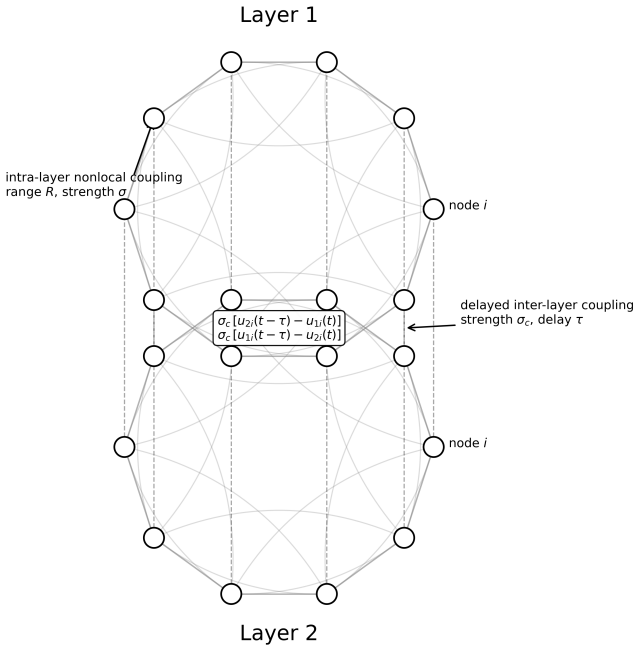
Delay alone creates chimera states then waves in neuron networks

Delay-induced chimera transitions via mode selection in a multiplex FitzHugh Nagumo network

In a two-layer multiplex system, increasing inter-layer delay selectively stabilizes and destabilizes spatial modes, producing partial then全

Figure from the paper full image
abstract click to expand
We investigate delay-induced collective dynamics in a two-layer multiplex FitzHugh Nagumo network with nonlocal intra layer coupling and delayed inter layer interactions. While delay effects are often treated as secondary, we show that deterministic inter-layer delay alone can act as a control mechanism for spatial coherence. Through systematic numerical simulations, we observe a clear transition as the delay parameter increases: fragmented incoherence evolves into chimera-like partial coherence, and eventually into a coherent traveling-wave state. This transition is consistently captured by spatial snapshots, space-time plots, and mean phase velocity profiles. To explain this behavior, we analyze the stability of spatial Fourier modes and show that the delay term introduces a mode-dependent exponential factor in the characteristic equation. This term induces non-monotonic changes in modal stability, effectively acting as a mode-selection mechanism: intermediate delays selectively destabilize a subset of modes, producing chimera-like coexistence, while larger delays suppress incoherent modes and restore global coherence. Our results demonstrate that inter-layer delay provides a simple and robust mechanism for controlling pattern formation in multiplex excitable networks, offering new insight into delay driven synchronization phenomena.
0
0
physics.bio-ph 2026-05-06

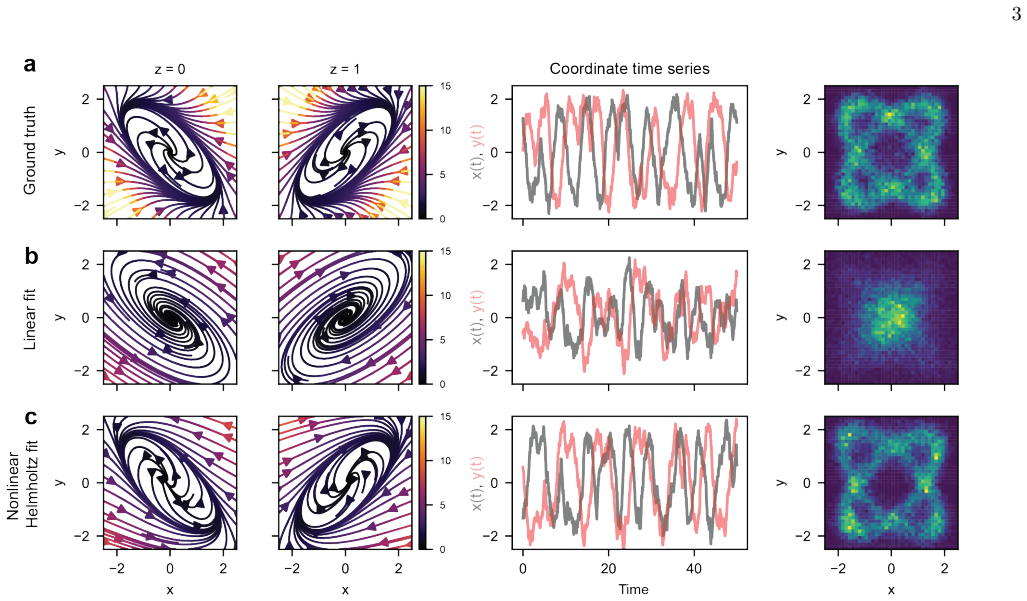
Stochastic model predicts worm locomotion from neural signals

Predicting and controlling nonlinear neuro-mechanical locomotion dynamics

Framework turns neural activity recordings into real-time predictions and control signals for C. elegans movement using spectral and decom

Figure from the paper full image
abstract click to expand
Neuromechanics aims to understand the link between an animal's neural activity and its physical behaviors. Recent advances in experimental and machine learning techniques enable simultaneous recordings of neural and locomotion dynamics over long time periods and across multiple behavioral transitions in worms, flies, and other organisms. These high-dimensional datasets present the challenge of inferring interpretable low-dimensional dynamical models that quantitatively connect neural activity and behavioral dynamics. However, despite major experimental and theoretical progress, there is currently no end-to-end model for predicting locomotion and other behaviors from neural activity. Here, we present a theoretical and computational framework for inferring multiscale neuromechanical models from state-of-the-art experimental data. Our data-efficient approach combines interpretable spectral mode representations with Helmholtz-Nambu decompositions and Bayesian inference to identify a predictive stochastic model that converts neural activity time series into behavioral locomotion patterns. We first apply this framework to recently published recordings of neural activity and locomotion in the roundworm Caenorhabditis elegans, showing that it accurately describes experimentally observed dynamics. We further demonstrate how the inferred model can be used to predict neural activation patterns for controlling C. elegans locomotion in real time, providing a basis for future optogenetic experiments. Due to its generic formulation, the framework introduced here is broadly applicable to neuromechanical recordings for a wide range of animal species.
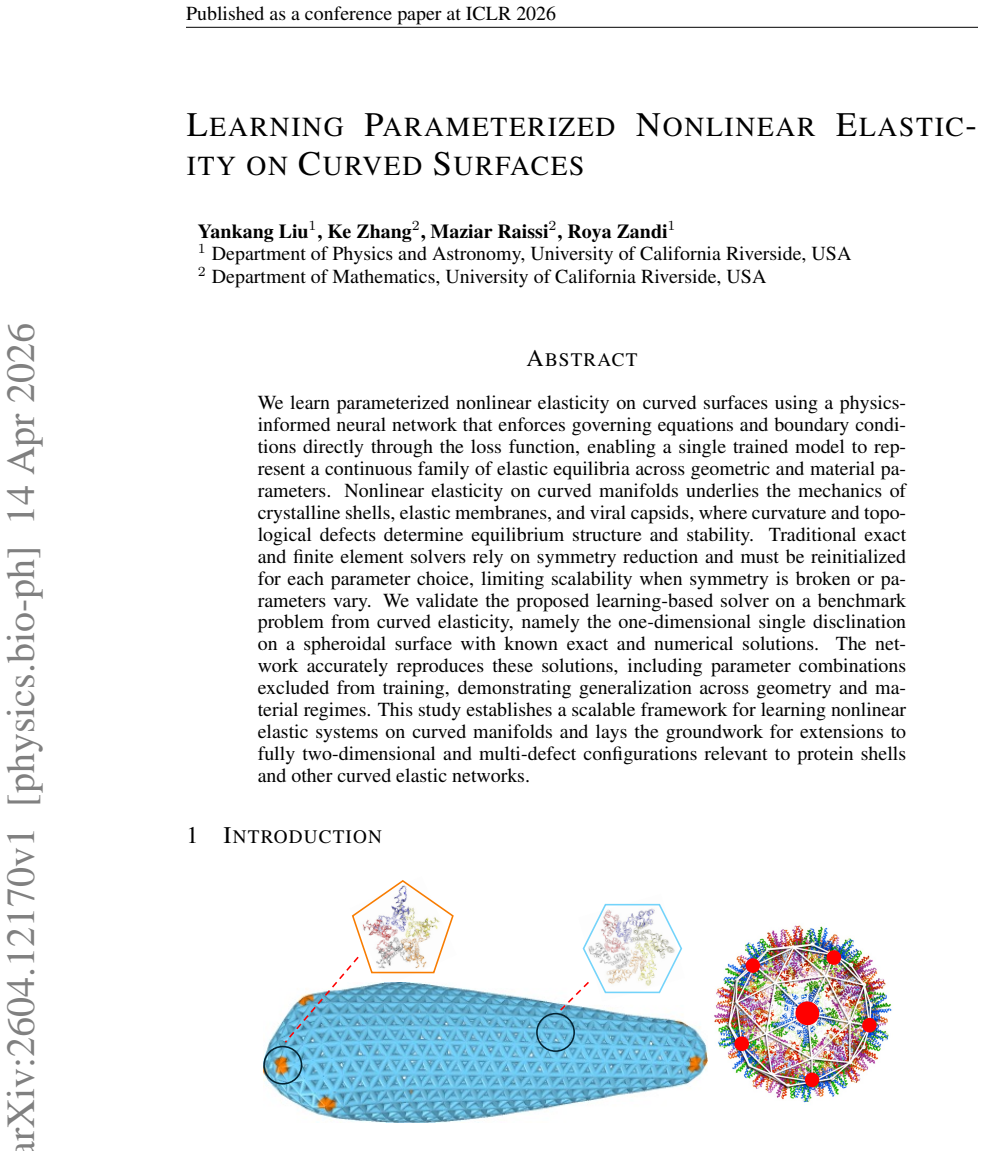
0
0
physics.bio-ph 2026-05-05

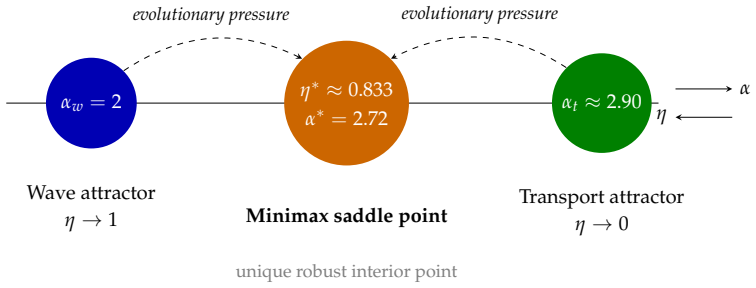
Incommensurable costs fix vascular branching exponents

The Incommensurability Principle in Biological Transport

The minimax duty cycle becomes an exact invariant, explaining why the same pattern appears across species and growth stages.

Figure from the paper full image
abstract click to expand
Biological vascular networks exhibit branching exponents ($\alpha^* \approx 2.72$) conserved across developmental stages and observed in multiple mammalian species [Kassab et al. (1993), Zamir (1999)], despite vast metabolic and anatomical variation. We prove this universality is a mathematical necessity arising from the physical incommensurability of optimization constraints. We establish three theorems. (1) No-Go Theorem: Local optimization combining extensive metabolic costs with dimensionless wave-reflection penalties requires a coupling parameter varying by $10^2$--$10^3$ across the hierarchy, precluding universal exponents. (2) Metabolic Gauge Invariance: The unique dimensionless cost functional consistent with scale invariance and thermodynamic linearity is the fractional metabolic excess; alternative penalties (logarithmic measures) fail empirical validation. (3) Architectural Invariance: The minimax duty cycle $\eta^*$ is an exact invariant of the allometric class $\mathcal{A}(G,p,\alpha_w)$, orthogonal to absolute metabolic scales -- explaining developmental stability. The minimax emerges as the unique attractor for networks optimizing physically incommensurable costs, unifying previous single-mechanism results as degenerate boundary cases.
0
0
physics.bio-ph 2026-05-05

Cells transmit molecular info to population size best at intermediate division steps

Optimal information transmission in a sequential model for cell division

A branching process model shows that too few steps make populations unpredictable while too many dilute each step's impact.

Figure from the paper full image
abstract click to expand
In proliferating cell populations, adaptive changes to biochemical reactions can change a cell's division time, which in turn can change the population size. However, biochemical reactions are subject to noise, and therefore the conditions for optimal information transmission from the molecular to the population scale are poorly understood. Here, we model cell proliferation as a Bellman-Harris branching process with age-dependent division times. We identify a class of division time distributions, built from a series of Markovian steps, for which the population size distribution at all times is hierarchically calculable. We use this feature to characterize the amount of influence that a given reaction step has on the population size via the mutual information. We find that information transmission is optimal for a characteristic number of steps until division: too few and the population size is unpredictable; too many and any given step has vanishing influence on the population size. Our work reveals the potential tradeoffs involved in adaptive decision making at the sub-cellular, cellular and population scales.
0
0
physics.bio-ph 2026-05-04

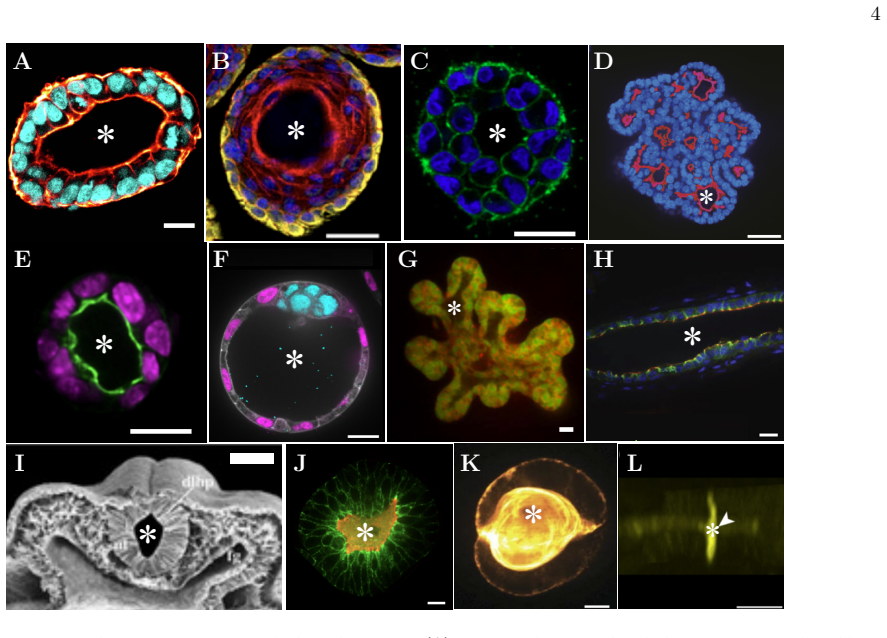
Lumens act as active balloons in organ formation

Lumens as active balloons: a biological physics review

Review unifies cavity development across tissues via out-of-equilibrium physics and coupled active processes.

Figure from the paper full image
abstract click to expand
Lumens are cavities enclosed by polarized cells that are essential for organ function, from nutrient transport in the gut to gas exchange in the lungs. Defects in lumen formation are associated with severe diseases, including polycystic kidney disease and respiratory malformations. The emergence, growth, and maintenance of lumens involve a rich set of phenomena that can be framed within out-of-equilibrium physics and biological active matter, including osmotically driven hydraulic flows, coarsening-like dynamics, morphological instabilities, and mechanochemical feedbacks linking luminal pressure to tissue response. Yet experimental and theoretical efforts to study these phenomena have largely developed within specific biological systems, complicating the identification of shared physical principles across them. In this review, we bring these efforts together and present lumenogenesis within a biological physics framework in which lumens are viewed as active balloons: pressurized cavities that are inflated, sculpted, and maintained through tightly coupled active processes.
0
0
physics.bio-ph 2026-05-04

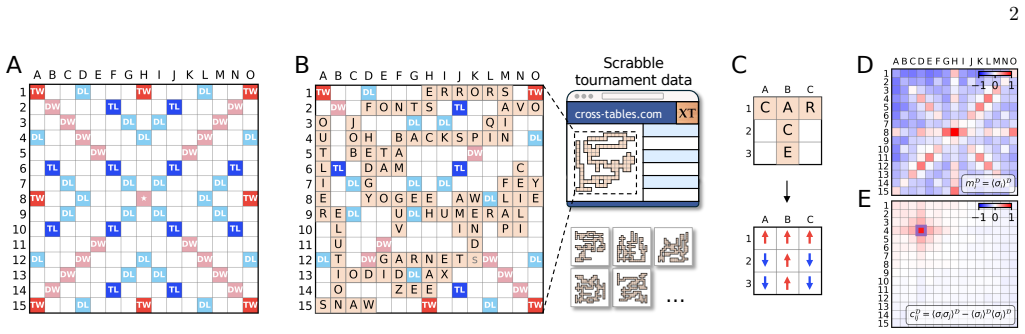
Pairwise model fits Scrabble graphs and distinguishes languages

Statistical mechanics for Scrabble predicts strategy, entropy and language

Tile placement statistics alone predict word lengths, reveal strategies, and assign games to languages without seeing the letters.

Figure from the paper full image
abstract click to expand
The crossword-like patterns of tiles in Scrabble form connected graphs of occupied sites on a square lattice. We find the most structureless description that reproduces means and covariances observed in real Scrabble games by adapting a maximum entropy approach to connected graphs. This pairwise model captures the data well, and predicts word-length statistics and geometric features of the Scrabble graphs correctly; in addition, the parameters of this model are interpretable and allow us to understand Scrabble playing strategies. Using this pairwise model, we calculate entropy differences and distinguishability of Scrabble graphs across languages, without having access to the letters on the tiles. Notably, we find that the entropy is predicted better by strategic gameplay -- such as word length on the board -- than lexicon size. Finally, we find that we can use the pairwise model to correctly assign Scrabble graphs to languages, avoiding explicit feature selection and at relatively low computational cost.
0
0
physics.bio-ph 2026-05-01

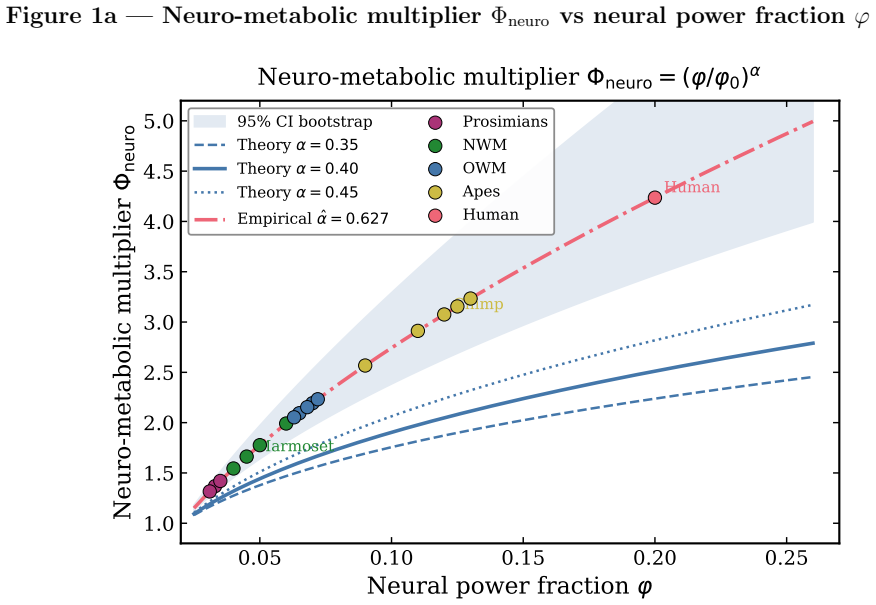
Neural power cuts entropy per cycle to extend primate lifespan

Neural Investment as an Entropy-Budget Strategy: A Thermodynamic Derivation of Primate Longevity from the Principle of Biological Time Equivalence

By increasing the share of metabolism going to the brain, primates complete more physiological cycles within the same total entropy budget,

Figure from the paper full image
abstract click to expand
Primates exhibit a robust deviation from canonical allometric scaling: at fixed body mass, their lifespans exceed those of non-primate mammals by factors of two to three. A rhesus macaque (8 kg) lives 25-40 years, whereas a cat of similar mass rarely exceeds 18 years. This statistically significant clade-level excess cannot be explained by standard metabolic or ecological models. We provide a thermodynamic explanation within the Principle of Biological Time Equivalence (PBTE), where lifespan is determined by a finite cycle budget governed by entropy production. We show that primates reduce entropy production per physiological cycle through increased neural energy allocation. The neural power fraction acts as a control parameter, extending the effective lifetime cycle count. Three mechanisms, predictive regulation, enhanced repair, and behavioral buffering, jointly suppress dissipation. This yields a quantitative neuro-metabolic multiplier that explains primate longevity and provides testable predictions linking brain energetics, entropy production, and lifespan.
0
0
physics.bio-ph 2026-05-01

230 species share roughly one billion heartbeats per lifetime

The Lifetime Cardiac-Cycle Invariant in Endothermic Vertebrates: A 230-Species Comparative Dataset, Statistical Validation, and Explicit Falsifiability Criteria

Dataset spanning mammals, birds and corrected ectotherms shows total cardiac cycles stay near 10^9 after phylogenetic and physiological adj

Figure from the paper full image
abstract click to expand
A pygmy shrew (\textit{Suncus etruscus}, ${\approx}2$\,g) sustains a resting heart rate near $1{,}000$\,beats\,min$^{-1}$ and dies within two years; an African elephant (${\approx}4{,}000$\,kg) beats at $28$\,beats\,min$^{-1}$ and lives seven decades. Their chronological lifespans differ by a factor of 35, yet each accumulates close to $10^9$ cardiac cycles before death -- a near-constancy first noted by Rubner~(1908) and quantified by Lindstedt and Calder~(1981)~\cite{lindstedt1981}, but never subjected to multi-clade statistical testing, phylogenetic correction, or explicit falsifiability criteria with a large modern dataset. We address this gap with a curated 230-species vertebrate dataset spanning non-primate placentals ($n=43$), primates ($n=18$), marsupials and monotremes ($n=19$), duty-cycle-corrected bats ($n=31$), dive-corrected cetaceans ($n=12$), birds ($n=78$), and Arrhenius-corrected ectotherms ($n=26$), and subject the log-invariant $\ell = \log_{10}(N^{\!\star})$ -- where $N^{\!\star} = f_H\,L\times 525{,}960$ cardiac cycles -- to four independent tests.
0
0
physics.bio-ph 2026-05-01

Time delay in gravity response drives root oscillations

Delayed control driven oscillations in plant roots

Minimal model finds period equals four times the delay and matches arc lengths measured in Arabidopsis images.

abstract click to expand
Arabidopsis roots show oscillatory growth patterns on homogeneous agar surfaces, whereas other plants, such as maize, do not. Although several explanations have been proposed, a simple and general model that makes testable predictions across species has been lacking. Roots sense gravity and correct their growth direction towards the vertical. Motivated by recent evidence for a time delay in this gravitropic correction, we develop a minimal nonlinear model based on the delay hypothesis that predicts whether a root oscillates or grows vertically downwards. The model identifies a fourfold relation between the delay and time period, robust across different response functions. Analysing images of Arabidopsis, we find that the mode of the oscillatory arc length is not significantly different between inclined and vertical growth conditions. The quantitative agreement between the experimentally measured oscillatory arc length and the arc length estimated from estimated root growth speed and response delay supports this fourfold delay-period rule for delay-driven root oscillations. The simplicity of our model allows for a direct comparison with data from diverse plant species.
0
0
physics.bio-ph 2026-05-01

Peptides differ in virion confinement near cells

Statistical analysis of virion-cell interactions mediated by peptide nanofibrils and peptide amphiphiles using STEM tomography

Statistical tomography shows alternative spatial strategies likely key to transduction success.

Figure from the paper full image
abstract click to expand
Peptide nanofibrils (PNFs) and peptide amphiphiles (PAs) are promising tools for enhancing viral transduction and gene transfer. However, quantitative insight into how their supramolecular architecture governs virion-cell interactions is limited. Here, we introduce a framework for the acquisition, processing, and statistical analysis of scanning transmission electron microscopy (STEM) tomograms to objectively quantify peptide-virion-cell interactions. Using four transduction-enhancing peptides (D4, Vectofusin-1, palmitic acid-PA (pal-PA), and eicosapentaenoic-PA (eic-PA)), peptide aggregate morphology, interfacial contact areas, and the spatial organization of virions with respect to peptides and cells were analyzed using advanced geometric descriptors. All peptides efficiently captured virions, resulting in few free virions, but they differ in how strictly virions were spatially confined near the cell surface. These differences reflect alternative spatial organization strategies, which are likely crucial factors influencing transduction-enhancing efficacy. Our approach provides a novel, generalizable method to evaluate infection-enhancing nanomaterials and guides the rational design of next-generation peptide assemblies for therapeutic viral delivery.
0
0
physics.bio-ph 2026-05-01

Stochastic cell agents reproduce dose-rate effects in particle therapy

A stochastic agent-based extension of the GSM2 model for particle therapy: cell-cycle dynamics, dose-rate dependence, and fractionation effects

GSM2-based Markov chains for individual cells generate observed survival trends across dose rates and ion types from explicit damage-repair-

Figure from the paper full image
abstract click to expand
Accurately linking microscopic energy deposition from ionizing radiation to emergent biological outcomes remains a central challenge in radiobiological modelling, particularly when stochastic damage induction, cell-cycle dynamics, and spatial organisation within irradiated tissues must be treated explicitly and consistently across scales. To address this, we introduce a stochastic agent-based radiobiological modelling framework for simulating biological response to particle irradiation, developed as an explicit single-cell extension of the Generalized Stochastic Microdosimetric Model (GSM2). Each cell is represented as an autonomous agent whose internal state, including DNA lesion counts, cell-cycle phase, and oxygenation level, evolves according to a continuous-time Markov chain driven by GSM2 transition rates. Radiation-induced damage induction, repair, misrepair, cell-cycle progression, proliferation, and migration are treated as competing stochastic events resolved through a next-event, event-driven algorithm, which provides computationally efficient scaling with system size while preserving full single-cell resolution. The framework is applied to three-dimensional tumour spheroids irradiated with 1H and 12C ions across a range of energies and dose rates. We characterise the spatiotemporal evolution of cell-cycle phase composition and spheroid volume following irradiation, and examine the dependence of cell survival on dose rate over four orders of magnitude. Several empirically established trends in biological response, including the dose-rate dependence of cell survival, its attenuation at high LET, and the inverse dose rate effect in split-dose irradiation, emerge from the model through the explicit coupling of particle arrivals, damage accumulation, and repair kinetics, without recourse to empirical correction factors as typically done.
0
0
physics.bio-ph 2026-04-30

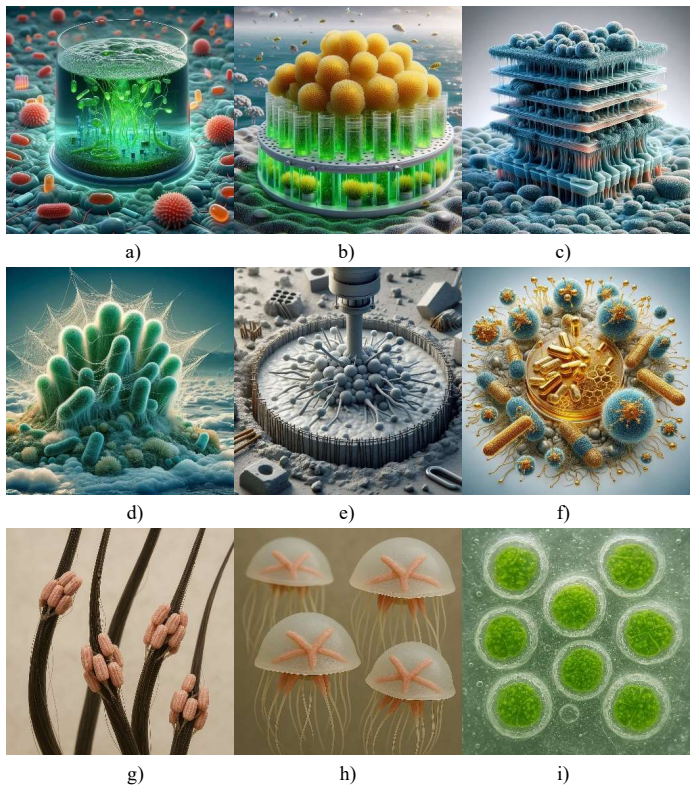
AI learns to design engineered living materials

Can we teach generative artificial intelligence the design language of engineered living materials?

A new ontology codifies ELM families, applications and methods so generative AI can describe examples and invent novel bio-materials.

Figure from the paper full image
abstract click to expand
This study presents a versatile ontology and a useful codification scheme for describing all kinds of engineered living materials (ELMs). The different components of the ontology, namely: families according to the taxonomy for ELMs, industrial applications and synthesis or processing methods, are systematically organized, enumerated, classified, codified and explained. The methodic application of the ontology to a set of 100 relevant examples of ELMs helps to demonstrate its utility and adaptability to many different types of ELMs with a wide range of industrial applications and obtained through numerous synthesis and processing methods. This proves that the developed ontology and codification schemes, with the glossary provided to support its implementation and application, can serve as a comprehensive classification tool for the emergent field of ELMs. Furthermore, the usability of the ELMs ontology and codification by a generative artificial intelligence (AI) is explored and validated by different means, checking that both natural language and the codification are understandable for describing ELMs, verifying that the generative AI adequately codifies examples of ELMs according to the ontology, and validating the synergic applicability of the ontology and codification with generative AI tools for illustrating novel ELMs and supporting their conceptual design. This study is expected to provide a universal language to facilitate communication in the ELMs field and to foster the discovery of new ELMs and related innovations, hoping it may accelerate scientific and technological discoveries.
0
0
physics.bio-ph 2026-04-29

Combined models map protein binding orientations on nanoparticles

Orientation-Dependent Protein Binding at Nanoparticle Interfaces

United-atom and docking calculations produce similar angular distributions to experiments for several allergens

Figure from the paper full image
abstract click to expand
Accurate quantification of protein-nanoparticle interactions is essential for applications in nanobiotechnology, nanomedicine, and drug delivery. Motivated by recent computational and experimental work, we combine coarse-grained united-atom (UA) models with molecular docking to characterize protein adsorption on SiO_2 nanoparticles. We construct orientation-resolved heatmaps in which polar and azimuthal angles uniquely specify the relative protein-nanoparticle pose, and the map amplitude reports binding propensity via the minimum UA adsorption energy or the docking score. Each angular bin corresponds to a distinct docked complex, enabling systematic comparison of binding geometries across models. To relate docking score landscapes to Boltzmann-averaged UA adsorption energetics, we analyze eight birch pollen allergen proteins previously studied experimentally. Similarity between the two orientational distributions is quantified using the Jensen-Shannon divergence (JSD). We find encouraging agreement between the two approaches in several cases, while also identifying limitations and routes for improvement, including optimized angular resolution and iterative refinement of interaction parameters. Overall, this framework provides a quantitative bridge between coarse-grained energetics and docking outputs at protein-nanoparticle interfaces, supporting improved predictive modeling and mechanistic insight into protein-nanoparticle binding landscapes.
0
0
physics.bio-ph 2026-04-29

Bayesian method infers nucleic acid motif rates from ligation data

Bayesian Rate Inference for Sequence Motif Dynamics in Systems of Reactive Nucleic Acids

The approach calibrates simplified models to detailed simulations while quantifying uncertainties for RNA world studies.

Figure from the paper full image
abstract click to expand
The RNA world hypothesis suggests a pathway of how life emerged on early earth. It assumes that life started with RNA based systems, capable of storing, transmitting and replicating information, envisioning that monomers and short RNA oligomers interact to form longer strands, eventually becoming catalytically active ribozymes. Key reactions in RNA pools are hybridization, dehybridization, templated ligation, and cleavage. Those reactions depend on many environmental parameters and the wide range of possible configurations among interacting strands. In order to scan such high dimensional parameter spaces, efficient descriptions are needed. Motif rate equations project complex strand reactor dynamics onto sequence motif space. Here we present a Bayesian inference framework to infer their parameters from ligation count data produced by strand reactor simulations. This provides a framework to match the simpler motif rate equations to more complex simulations. Additionally, it is a step towards inferring reaction rate constants directly from experimental data, including rigorous uncertainty estimation. This could be an essential procedure to connect theory and experiment, and deepen our understanding of the essential features necessary for life to emerge.
0
0
physics.bio-ph 2026-04-29

Thionine stabilizes DNA thermally at every concentration

Analysis of DNA thermal stability across a broad range of thionine concentrations

Intercalation below 1.5 mg/L gives way to groove and electrostatic binding above it, yet melting temperature rises in both regimes.

abstract click to expand
Interest in studying the interaction of small molecules with DNA is caused by the need to develop new, highly effective, and low-toxic drugs for cancer treatment. The strong and highly specific binding of thionine with DNA makes it a promising candidate for use in medicine and pharmacology. In this study, DNA-thionine complexes in aqueous solutions were investigated using UV-Vis absorption spectroscopy. The thermal stability of native DNA was studied in a broad range of thionine concentrations. The mechanisms of thionine binding to DNA, depending on the concentration of thionine, have been established. At low thionine concentrations $([c_{th}] \le 1.5 \text{ mg/L})$, thionine molecules intercalate between the base pairs of the DNA double helix. At a thionine concentration of 1.5-10 mg/L, the groove binding and external electrostatic interaction of positively charged thionine with negatively charged biopolymer phosphate groups of the DNA backbones is preferable. In all cases, the interaction of thionine with DNA leads to an increase in the thermal stability of the polynucleotide. These findings provide valuable insight into the concentration-dependent molecular mechanisms of DNA-small molecule interactions, supporting the rational design of anticancer and antimicrobial agents, as well as exploiting molecular probes for nucleic acid detection, imaging, and other biomedical applications.
0
0
physics.bio-ph 2026-04-28

Okra gel coating cuts scarring on brain electrodes

An in situ self-adaptive hydrogel coating enables seamless neural interfaces via okra mucilage polysaccharide and {α}-helical peptide amphiphiles co-assembly

The material assembles in place and adapts to brain conditions for stronger adhesion and clearer signals without added conductive particles.

abstract click to expand
Long-term stability of neural interfaces is frequently compromised by mechanical mismatch and chronic neuroinflammation, often leading to electrode detachment and signal failure. While hydrogel coatings offer a solution, conventional designs typically rely on exogenous conductive fillers that can sacrifice mechanical flexibility or induce toxicity. Here, we report on a soft neural interface based on the supramolecular co-assembly of a renewable natural polysaccharide, okra mucilage polysaccharide (OMP), and an {\alpha}-helical peptide amphiphiles (APA). The resulting OMP-APA hydrogel (OP gel) exhibits environment-responsive enhancements in bioadhesion and charge-transport capability triggered by physiological pH and electrical stimulation. These properties arise from intrinsic, stimulus-responsive alterations in fibre architecture and orientation, eliminating the need for conductive fillers. Leveraging interfacial liquid-liquid phase separation, we demonstrate the in situ coating of ultra-thin OP-gel coating onto carbon fibre electrodes (CFE). The OP-gel-coated electrodes (OP-CFE) significantly mitigate foreign body responses and glial scarring, enabling stable, high-quality neural recordings in a mouse cortical in vivo model. Our findings provide a versatile strategy for constructing seamless, multifunctional bio-interfaces through supramolecular co-assembly, with broad implications for advancing neural prosthetics and neuroscience research.
0
0
physics.bio-ph 2026-04-27

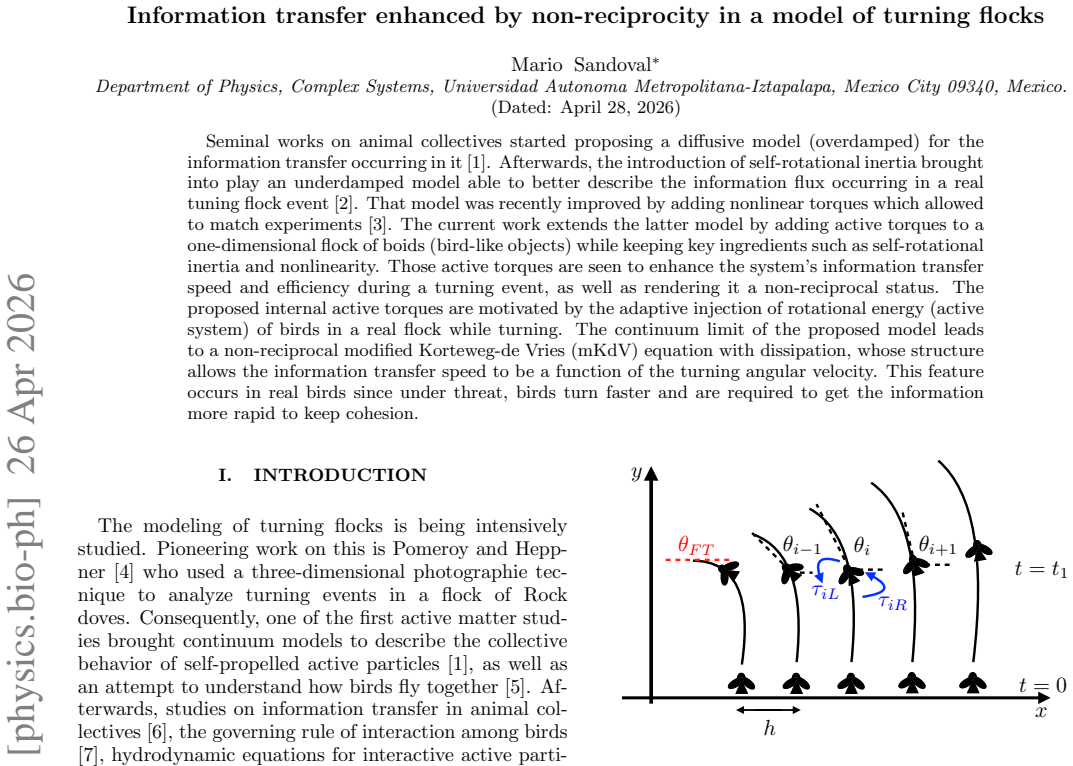
Active torques speed information transfer in turning flocks

Information transfer enhanced by non-reciprocity in a model of turning flocks

Non-reciprocal effects make propagation speed rise with turning rate, matching how real groups exchange signals faster during sharp turns.

Figure from the paper full image
abstract click to expand
Seminal works on animal collectives started proposing a diffusive model (overdamped) for the information transfer occurring in it \cite{Vicsek}. Afterwards, the introduction of self-rotational inertia brought into play an underdamped model able to better describe the information flux occurring in a real tuning flock event \cite{Atta}. That model was recently improved by adding nonlinear torques which allowed to match experiments \cite{cavagna2025}. The current work extends the latter model by adding active torques to a one-dimensional flock of boids (bird-like objects) while keeping key ingredients such as self-rotational inertia and nonlinearity. Those active torques are seen to enhance the system's information transfer speed and efficiency during a turning event, as well as rendering it a non-reciprocal status. The proposed internal active torques are motivated by the adaptive injection of rotational energy (active system) of birds in a real flock while turning. The continuum limit of the proposed model leads to a non-reciprocal modified Korteweg-de Vries (mKdV) equation with dissipation, whose structure allows the information transfer speed to be a function of the turning angular velocity. This feature occurs in real birds since under threat, birds turn faster and are required to get the information more rapid to keep cohesion.
0
0
physics.bio-ph 2026-04-27

Vector order parameter corrects DNA melting predictions

DNA melting: intra base-pair dynamics and a vector generalization of the Peyrard-Bishop-Dauxois model

Planar vector replaces scalar in base-pair model to match entropy, force and rate data.

Figure from the paper full image
abstract click to expand
The Peyrard-Bishop-Dauxois (PBD) model of DNA denaturation, although successful in the description of melting profiles, fails to predict melting entropies, unzipping forces and dynamical properties, e.g. hairpin dynamics. The paper presents an atomistic "toy model" of the intra base-pair motion which suggests that the thermodynamics may be better described by a planar vector - rather than a scalar - order parameter. This leads to correct estimates of melting entropy, unzipping force, hairpin opening rates, and the equilibrium constant of open/closed base pair states during imino proton exchange.
0
0
physics.bio-ph 2026-04-24

Exact resistance derived for cylinder-blocked 2D orifice

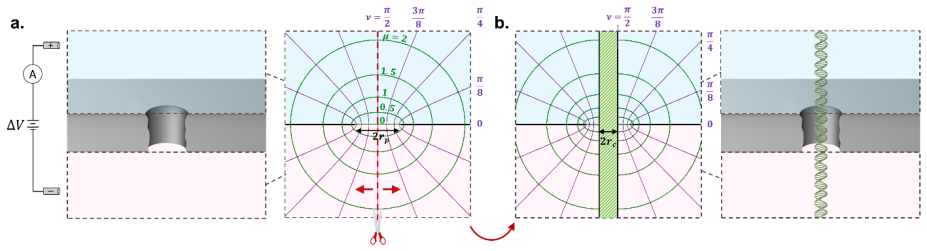
Exact Resistance of an Orifice in a 2D Membrane Blocked by a Cylindrical Obstruction

Curvilinear coordinates map all boundaries and yield a closed-form expression usable as access resistance in molecular-sensing channels

Figure from the paper full image
abstract click to expand
An exact solution is presented for the resistance of an orifice in a 2D membrane separating two infinitely large conductive reservoirs and obstructed by an infinitely long cylinder. The solution is obtained by constructing a curvilinear coordinate system that captures the symmetry of the obstructed system with constant-coordinate surfaces mapping the system boundaries, and by integrating the resistive contributions of infinitesimally thin equipotential slices. As commonly done when assessing the resistance of fluidic channels of finite length, the exact expression of the obstructed 2D orifice can be used as the access region of obstructed cylindrical channels and will thus find use in single molecule sensing applications.
0
0
physics.bio-ph 2026-04-24

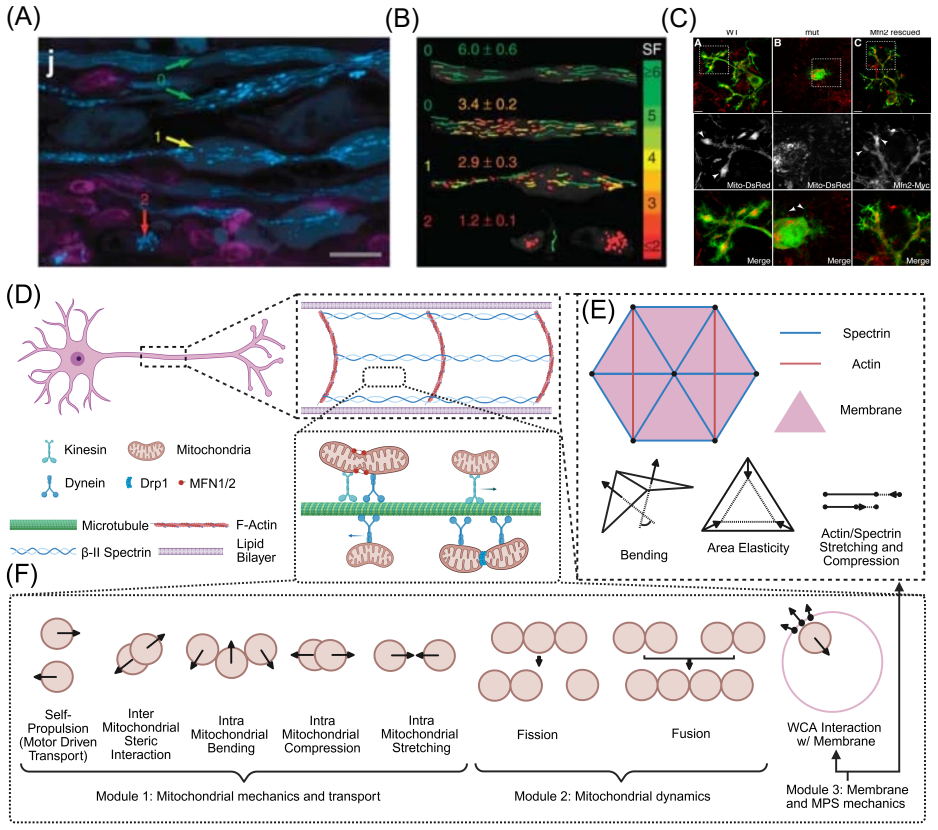
Mitochondrial shape triggers axonal jams and swelling

Mitochondrial mechanics nucleates axonal jamming and swelling

Simulations show flexible mitochondria pile up, stressing the axon membrane until it deforms, while rigid ones pass freely.

Figure from the paper full image
abstract click to expand
Neuronal function requires precise spatial organization of mitochondria to meet localized energetic demand. However, the physical constraints governing mitochondrial transport in axons remain poorly defined. Bidirectional motor-driven trafficking inherently introduces the potential for collisions, but the implications of these interactions for transport failure and structural damage are not understood. Here, we develop an agent-based model that couples mitochondrial motility, morphology, and lifecycle dynamics to a deformable axonal boundary. We show that mitochondrial traffic jams emerge from a force balance between active propulsion and steric interactions, and that their severity is governed by organelle shape and mechanical properties. Elongated, mechanically rigid mitochondria remain aligned and are transported rapidly, whereas flexible, low-aspect-ratio mitochondria are prone to jamming and accumulation. Incorporating fission and fusion dynamics reveals that fission amplifies transport disruption by generating collision-prone populations, while fusion restores transport by producing anisotropic structures that navigate crowded environments more efficiently. Importantly, we find that sustained jamming generates mechanical stress on the axonal membrane, leading to deformation and swelling. Together, these results establish a physical framework linking mitochondrial dynamics to axonal integrity and provide testable predictions for how dysregulated fission-fusion balance can drive transport failure and structural pathology in neurons.
0
0
physics.bio-ph 2026-04-24

Wave physics models partner dance as harmonic notation

Wave physics as a choreographic notation for partner dance

Dance sequences show interference and emerging harmonics that map to musical dyads, yielding an analytical motion notation.

Figure from the paper full image
abstract click to expand
The wave is considered a paradigm in dance and connects bodily expression with nature. Although wave concepts such as propagation and phase have proven to be powerful tools for dance analysis, many aspects of bodily expression, including partner dance, have been investigated using numerical approaches and neural networks. Complementarily, compact analytical models have been especially successful for describing human motion, particularly gait. Here, we leverage wave-physics concepts to provide a comprehensive wave-based and oscillatory analytical characterization of expressive motion in partner dance. We apply this framework to Bachata Sensual, a dance style in which the wave is the leitmotif. We analyse three dance couples (Phase I) performing five movement sequences and one composite. The sequences exhibit multiple wave phenomena, from time-dependent interference to the generation-like emergence of harmonics. Within this wave-physics perspective, the formalism can be viewed as a choreographic motion notation. As an illustrative acoustic analogy, harmonic components extracted under boundary conditions can be mapped to audible frequencies, forming musical dyads. Within certain limits and not rigidly constrained by body morphology, modal response can be tuned to underpin fluid motion, adapting across musical timescales and movement patterns. Overall, this wave-physics notation highlights connections between partner-dance expressivity and harmonic nature.
0
0
physics.bio-ph 2026-04-24

Single-cell patterning creates ordered bacterial films with optical effects

Shaping nematic order in bacterial films with single-cell resolution patterning

Parallel spore orientations produce millimetre-scale nematic alignment, synchronous buckling, and light-polarising properties in growing B.

abstract click to expand
Bacterial colonies composed of elongated cells form active nematic fluids that spontaneously self-organise into ordered domains of aligned cells and exhibit self-generated chaotic flows powered by cell growth. While their dynamics have attracted significant attention, the role of initial conditions remains largely unexplored due to a lack of precise patterning methods. Here, we harness the precision of capillary assembly to pattern Bacillus subtilis endospores into arrays with controlled positions and orientations at single-cell resolution. Upon germination and growth of cell chains, we quantify the dynamics and morphologies of the resulting bacterial films. While orthogonally seeded spores lead to chaotic dynamics, seeding them with parallel orientations yields films with high nematic order across millimetres, which subsequently synchronously buckle upon further growth. Our observations are captured by numerical simulations and a model that describes the buckling dynamics starting from the mechanical properties of individual filaments. By programming local cell orientation with single-cell precision, we finally harness nematic alignment to create macroscopic bacterial films with local optical anisotropy, via structural colouration and light polarisation. Our findings demonstrate that initial conditions play a key role and offer exciting opportunities to control the spatio-temporal organization of bacterial assemblies towards addressing open biological questions and realizing living materials with tailored properties.
0
0
physics.bio-ph 2026-04-23

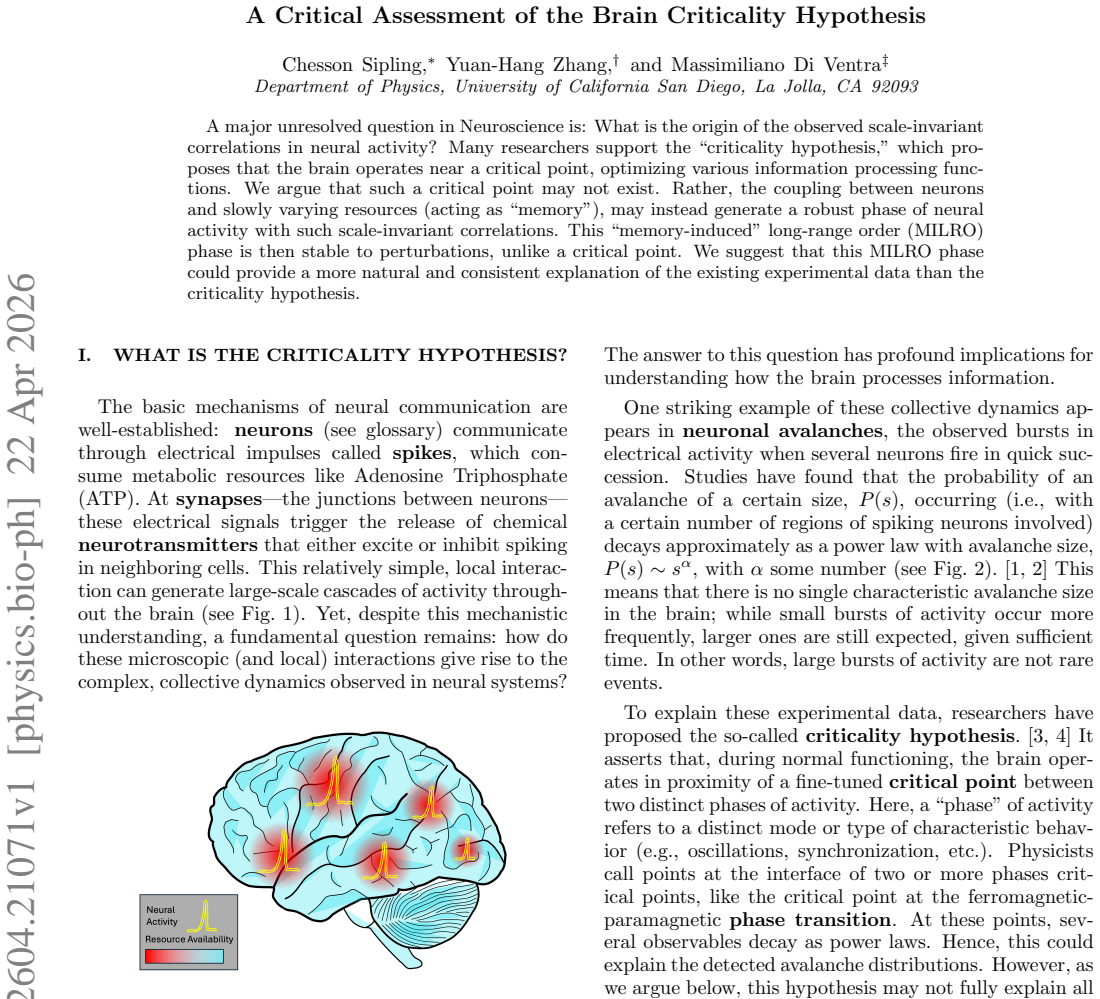
Brain correlations from memory effects

A Critical Assessment of the Brain Criticality Hypothesis

Neuron coupling to slow resources produces stable scale-invariant activity that persists without fine-tuning to a critical point.

Figure from the paper full image
abstract click to expand
A major unresolved question in Neuroscience is: What is the origin of the observed scale-invariant correlations in neural activity? Many researchers support the ``criticality hypothesis,'' which proposes that the brain operates near criticality, optimizing various information processing functions. However, the nature and behavior of criticality in cortical systems are still unclear. Alternatively, this opinion paper highlights that the coupling between neurons and slowly varying resources (acting as ``memory'') alone may be sufficient to generate a robust phase of neural activity with scale-invariant correlations. This memory-induced long-range order phase could provide a more natural explanation of the existing experimental data than the criticality hypothesis.
0
0
physics.bio-ph 2026-04-23 Recognition

Neuron coupling to slow resources creates scale-invariant activity

A Critical Assessment of the Brain Criticality Hypothesis

Memory effects from varying resources generate long-range neural correlations more naturally than criticality.

Figure from the paper full image
abstract click to expand
A major unresolved question in Neuroscience is: What is the origin of the observed scale-invariant correlations in neural activity? Many researchers support the ``criticality hypothesis,'' which proposes that the brain operates near criticality, optimizing various information processing functions. However, the nature and behavior of criticality in cortical systems are still unclear. Alternatively, this opinion paper highlights that the coupling between neurons and slowly varying resources (acting as ``memory'') alone may be sufficient to generate a robust phase of neural activity with scale-invariant correlations. This memory-induced long-range order phase could provide a more natural explanation of the existing experimental data than the criticality hypothesis.
0
0
physics.bio-ph 2026-04-22

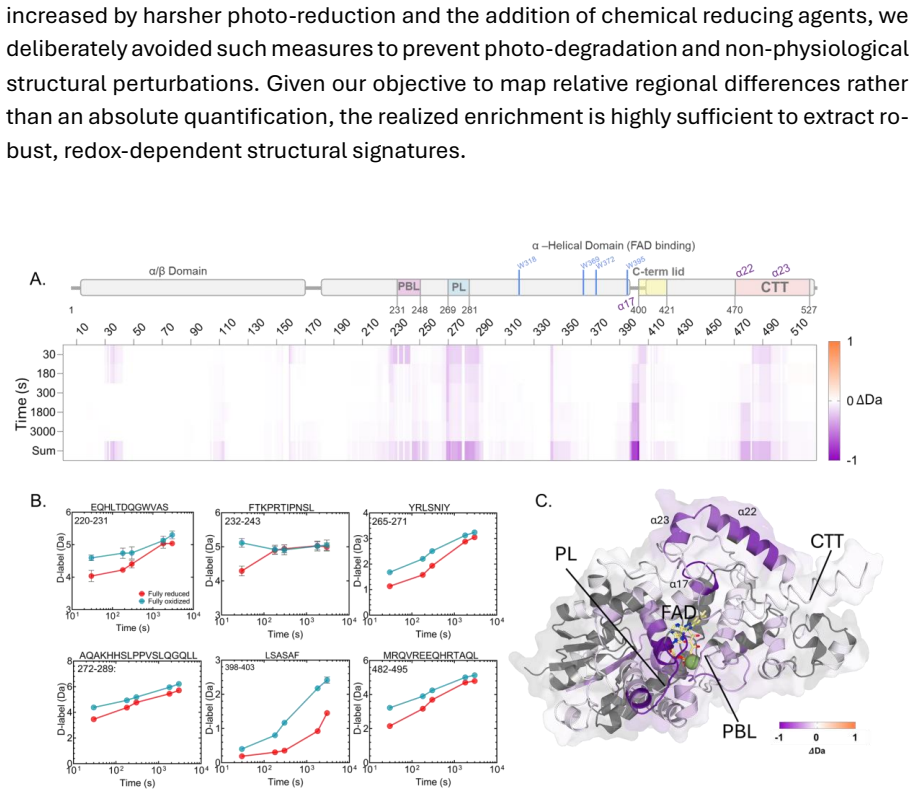
Semiquinone destabilizes loops in robin cryptochrome

Distinct Structural Dynamics of the Semiquinone State Define a Signalling Pathway in Avian Cryptochrome

The transient state loosens the PBL and PL in a pattern unlike the rigid fully reduced form, connecting spin chemistry to navigation signals

Figure from the paper full image
abstract click to expand
The light-dependent magnetic compass of night-migratory songbirds is widely hypothesized to rely on the radical pair mechanism within retinal cryptochrome. However, bridging the mechanistic gap between microsecond quantum spin dynamics and the long-lived, global protein conformational changes required for cellular signalling remains a formidable challenge. Here, we apply redox state-resolved hydrogen/deuterium-exchange mass spectrometry (HDX-MS) to map the conformational landscape of European robin cryptochrome 4a (ErCry4a) across its photocycle. We reveal that photochemical reduction drives robust, allosteric structural transitions across key functional nodes, including the phosphate-binding loop (PBL), protrusion loop (PL), FAD-proximal helix {\alpha}17, and the C-terminal {\alpha}22/{\alpha}23 network. Crucially, we isolate the structural fingerprint of the transient semiquinone, the presumed signalling species. Rather than acting as a linear structural stepping-stone, the semiquinone exhibits a distinct, non-monotonic conformational signature characterized by a transient destabilization of the PBL and PL, contrasting sharply with the global rigidification observed in the fully reduced state. These findings establish the semiquinone as a structurally unique and functionally competent biological entity. Our results provide direct biophysical evidence for a dedicated, high-fidelity structural signalling cascade, detailing how localized quantum-level photochemistry is translated into the precise conformational dynamics required for animal navigation.
0
0
physics.bio-ph 2026-04-21

Digital fabrication enables local research-grade optics

Advancing optical imaging systems with digital fabrication

Open microscopy examples show how 3D-printed parts speed adaptation and allow shared refinements while preserving performance.

abstract click to expand
Optical imaging technologies are central to discovery in the life and physical sciences, yet their impact depends on how readily they can be built, adapted, and sustained across laboratories. Digital fabrication, including desktop 3D printing, offers new ways to engineer imaging instruments by simplifying assembly, lowering replication barriers, and enabling modular integration and local refinement. Here we examine, using open microscopy as a transparent case, how digitally fabricated components support adaptable, research-grade optical systems while enabling faster innovation cycles and distributed refinement. We outline practical design guidelines and discuss emerging developments that may further advance accessible, high-performance imaging.
0
0
physics.bio-ph 2026-04-21

Noise switches frustrated genes to set cell differentiation timing

Noise-Driven Differentiation via Gene Frustration and Epigenetic Fixation

Logarithmic dependence on noise strength and input-biased fate selection emerge from switching followed by epigenetic locking.

Figure from the paper full image
abstract click to expand
Gene expression in cells is stochastic, yet differentiation is robust. We propose a mechanism in which frustrated genes with weakly stable intermediate expression undergo noise-driven switching between basins of attraction, followed by irreversible fate fixation through slow epigenetic feedback. Regulatory interactions amplify effective noise and promote differentiation. We derive analytic expression for the logarithmic dependence of differentiation time on noise strength and input-dependent cell-fate selection, and demonstrate homeorhesis, the dynamical robustness of the epigenetic landscape.
0
0
physics.bio-ph 2026-04-20

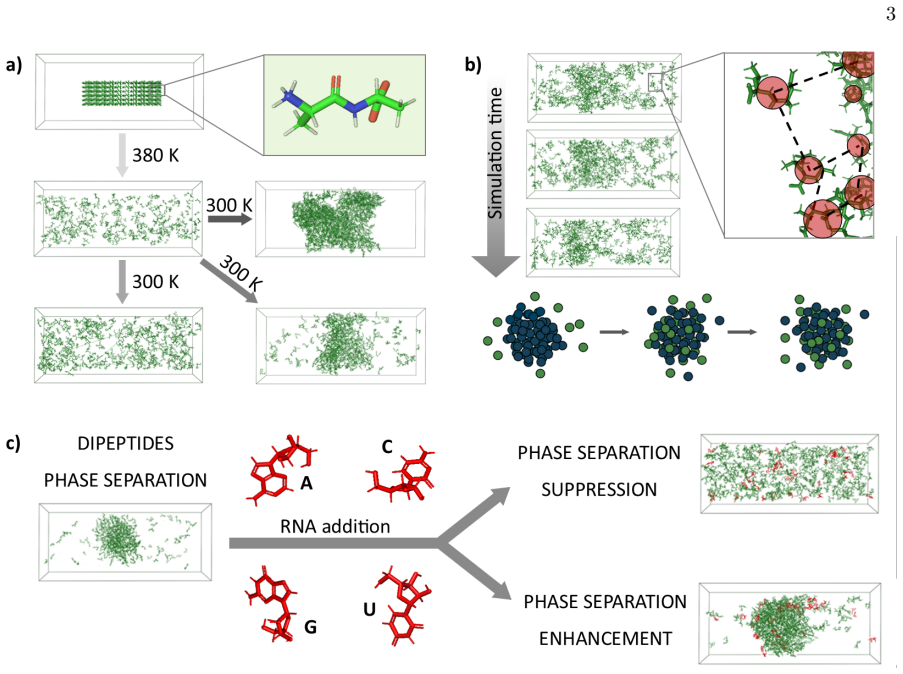
Dipeptides trigger spontaneous condensation with RNA

Deciphering the chemical grammar of protein-RNA condensates

Simulations reveal that base-specific interactions govern phase separation at the smallest chemical scale rather than polymer length alone.

Figure from the paper full image
abstract click to expand
Biomolecular phase separation is typically attributed to the polymer physics of long, disordered chains. However, the underlying chemical grammar, i.e. the specific interactions between protein and RNA building blocks, remains poorly understood. We decouple those effects by screening the phase behavior of the complete dipeptide library in presence and absence of nucleic acids using full-atomistic molecular dynamics simulations. We demonstrate that (i) even these ultrashort units encode the instructions for spontaneous condensation, proving that phase separation is fundamentally rooted at a sub-polymeric level. (ii) Nucleic acids do not act as generic anionic glue but exert instead a base-specific regulatory logic. (iii) Individual nucleobases function as chemical tuners that dissolve, stabilize, or fluidize condensates based on their molecular identity. Overall, our minimal framework reveals that while polymer length enhances assembly, the core properties and regulatory control of condensates may be also governed by a fine-tuned chemical alphabet of peptides and nucleobases.
0
0
physics.bio-ph 2026-04-20

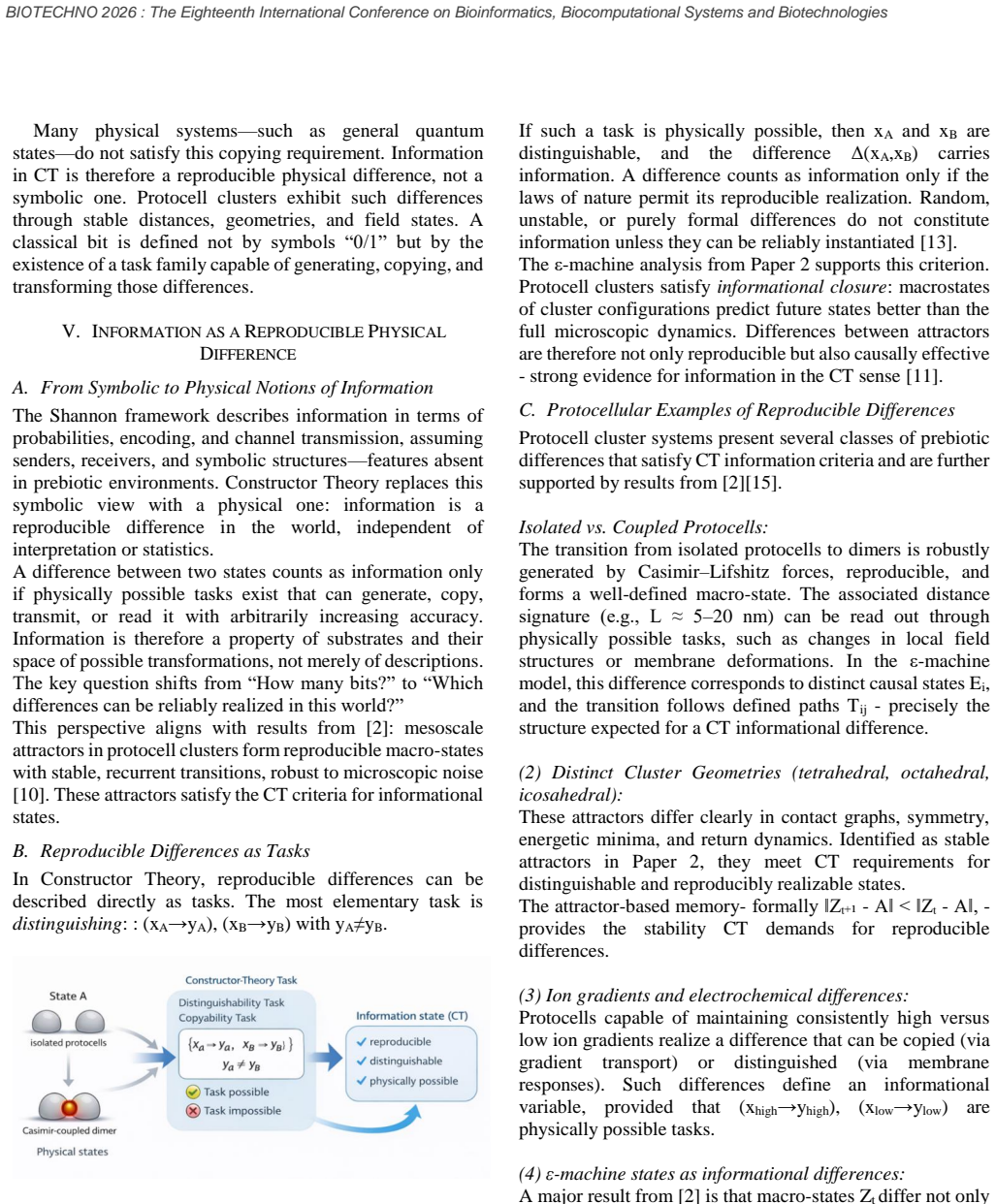
Physical differences become meaningful states in protocell clusters

From Physical Difference to Meaning: A Constructor-Theoretic Framework for Prebiotic Information in Casimir-Lifshitz-Coupled Protocell Clusters

Casimir-Lifshitz forces allow clusters to regulate tasks like approach and stabilization through reproducible attractors and gradients.

Figure from the paper full image
abstract click to expand
This paper develops a physical framework for the prebiotic emergence of information and meaning. Building on Constructor Theory, we define information as a reproducible physical difference and meaning as a difference with stable functional consequences. Casimir-Lifshitz-coupled protocell clusters serve as a minimal model that exhibits reproducible attractors, ordered transitions, and autonomous task structures. We show that such clusters carry both informational states (e.g., distances, geometries, gradients) and meaningful states that regulate prebiotic tasks such as approach, exchange, or stabilization. This approach integrates physical mechanisms, computational mechanics, and early proto-semantic functions into a coherent account of information formation before biology.
0
0
physics.bio-ph 2026-04-17

Plasmon resonance enlarges bacterial membrane contact area

Deformation of Bacterial Cell Membranes by Action of Metal Surface under Plasmon Resonance Condition

Modelling shows surface plasmons expand the van der Waals interaction region with S. aureus cell walls, pointing to mechanical antibacterial

abstract click to expand
This paper is devoted to studies of the mechanical deformation of the S. aureus cell wall. The bacterium is modelled as a thin elastic membrane containing cytoplasm, which is treated as an incompressible fluid. Deformation occurs via Van der Waals interactions between the bacterium and a solid metallic surface, both with and without the influence of surface plasmon resonance (SPR). Our modelling results indicate that the excitation of surface plasmons significantly increases the effective interaction area between the bacterial membrane and the nanostructured surface. The elastic and dielectric properties of the bacterium's components are uninvestigated. Therefore, theoretical calculations are performed in wide, physically meaningful ranges. Thus, the results of studies give only a qualitative estimation. However, they are novel and, with further experiments, can solve the inverse problem of obtaining physical properties. The paper highlights the potential of SPR to enhance antibacterial strategies, inspiring further research and innovation.
0
0
physics.bio-ph 2026-04-17

Asymmetric particles self-propel under uniform light via refraction

Self-propelled particles driven by light

Experiments and simulations show shape breaking enables net momentum transfer from light, offering a chemical-free drive for microscale act

abstract click to expand
Recent advances in the field of active soft matter promise a lot. Both, experimental advances and theoretical understanding point towards new material classes in reach, for example self-healing materials that might switch their properties from elastic to solid easily or switch their macroscopic shapes. All these materials require an active force to propel parts of themselves on the micrometer scale. While chemical fuels are often used to generate these active forces, applying energy in a simple and continuous way remains unsolved. Here we explore using light as such an energy source. Overall, generating active driven, self-propelled particles is hence not only of great interest but also a general challenge. Moreover, controlling such particles even within living tissue would open new worlds, for example to enable specific drug delivery or the design of micro-robots. One recently proposed method to establish light driven self propelled particles is to create specific shaped and transparent objects, that move when illuminated with homogeneous light. In these particles, the refraction of the light leads to a momentum transfer, which then drives the active movement. Here, we show both in simulation and experiments that the production of such particles is possible and demonstrate the feasibility of this propulsion effect, while investigating different shapes. Our experiments show that breaking the shape-symmetry of the particles creates a refraction-based propulsion under homogeneous illumination. Subsequent simulations reveal that total reflection leads to the largest momentum transfer among all different geometries considered. Overall, our study introduces the proof-of-principle for refraction-propelled particles, which has the potential to benefit many fields of study including cellular behaviour, collective dynamics and the understanding of disease mechanisms.
1 0
0
physics.bio-ph 2026-04-17

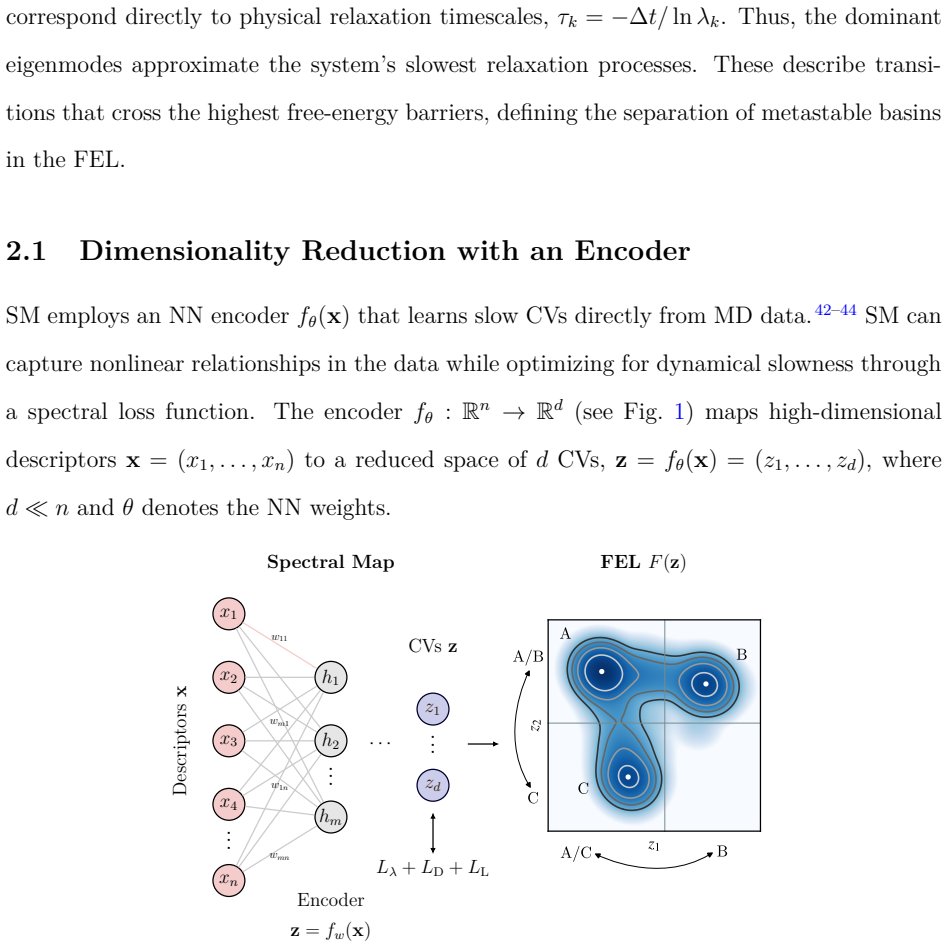
Ligands destabilize different stems in threaded vs unthreaded viral RNA

Unraveling the Mechanism of Drug Binding to SARS-CoV-2 RNA Pseudoknot with Thermodynamics-Driven Machine Learning

Spectral map analysis of simulations shows protonation state controls which parts of the SARS-CoV-2 pseudoknot are affected.

Figure from the paper full image
abstract click to expand
The SARS-CoV-2 RNA pseudoknot is a promising target for antiviral intervention, as it regulates the efficiency of $-$1 programmed ribosomal frameshifting ($-$1 PRF), a mechanism that is essential for viral protein synthesis. The pseudoknot represents a viral RNA sequence composed of helical stems that adopts two long-lived topologies, threaded and unthreaded. Ligand-induced distortion of this fold is thought to underlie the susceptibility of $-$1 PRF to small-molecule inhibitors. Resolving these distortions from unbiased molecular dynamics (MD) requires collective variables (CVs) that isolate the slowest dynamic modes of the RNA--ligand system from the high-frequency fluctuations. Here, we use spectral map (SM), a thermodynamics-driven machine-learning method, to learn such CVs directly from MD trajectories of the SARS-CoV-2 RNA pseudoknot in complex with the $-$1 PRF inhibitor merafloxacin and two related analogs. We examine both threaded and unthreaded pseudoknot topologies and consider the neutral and ionized ligand forms relevant at physiological pH. Free-energy landscapes show that ligand-induced destabilization is topology-selective: merafloxacin and its analogs destabilize the S2 stem in the threaded pseudoknot, whereas in the unthreaded pseudoknot, destabilization shifts to the S1 and S3 stems. We find that the zwitterionic form of merafloxacin uniquely imposes slow dynamics on the otherwise featureless unthreaded pseudoknot. Furthermore, the neutral and zwitterionic forms of merafloxacin differ qualitatively in their mechanisms within the same RNA topology. Overall, these results clarify how pseudoknot topology, ligand type, and protonation state shape the slow conformational dynamics of viral RNA and establish physiological protonation as an essential factor for modeling RNA-targeted drug action.
0
0
physics.bio-ph 2026-04-16

Albatross trajectories lie closest to wind-shear effort bound

Seabird trajectories map onto a reduced optimal-control bound for dynamic soaring

Normalized data from three seabird species place albatrosses nearest the theoretical minimum derived from a reduced optimal-control model.

Figure from the paper full image
abstract click to expand
Dynamic soaring allows seabirds to harvest mechanical energy from vertical wind shear, but field trajectories lack a benchmark for comparing flight performances across species. We derive a reduced lower bound on transport effort from a simplified Hamilton-Jacobi-Bellman optimal-control model in which slow flight incurs an induced-drag penalty, fast flight incurs a dissipative penalty, and wind shear supplies an effective energetic subsidy. After species-specific normalization of transport speed and an accelerometer-based effort proxy, we map wandering albatrosses, Cory's shearwaters, and Eurasian oystercatchers into a common reduced speed-effort plane and estimate their empirical lower frontiers. The albatross frontier lies closest to the reduced bound, consistent with near-optimal wind-energy harvesting. The shearwater frontier is systematically displaced above it, and oystercatchers occupy a distinct non-soaring regime. The resulting framework places specialist dynamic soaring, mixed flap-gliding, and non-soaring flight in a common mechanical representation and provides a reduced benchmark for comparing wind-assisted flight across species using field trajectories.
0
0
physics.bio-ph 2026-04-16

Tension sets boundary between particle uptake and expulsion

Membrane Tension Governs Particle Wrapping-Unwrapping Transitions and Stalling

Energy calculation reveals when wrapping stalls or reverses based on adhesion, tension, and size.

abstract click to expand
Membrane wrapping underlies nanoparticle uptake during endocytosis, whereas the reverse process of membrane unwrapping accompanies particle expulsion and membrane fusion events. Existing theoretical descriptions typically focus on adhesion and bending energies within the particle-membrane contact region and often neglect the deformation energy of the membrane outside the contact zone. This approximation is valid only in the limit of vanishing membrane tension, where the non-contact membrane assumes a catenoid-like configuration with negligible bending energy. However, at finite tension the deformation of the non-contact membrane becomes a dominant energetic contribution. Here we show that this tension-dependent non-contact energy governs the progression of particle wrapping. By analyzing the variation of the total membrane energy with wrapping degree, we uncover a competition between particle adhesion, membrane tension and particle size that determines whether wrapping proceeds, stalls, or reverses into spontaneous unwrapping. This framework reveals a stalling boundary separating regimes of particle uptake and expulsion. To capture the non-contact deformation efficiently, we derive a compact analytical approximation that accurately reproduces the full numerical solution of the membrane shape. The resulting energetic map provides a unified physical description of particle wrapping and unwrapping, with implications for endocytosis, membrane fusion, and nanoparticle design.
0
0
physics.bio-ph 2026-04-15

Neural network learns family of elastic equilibria across parameters

Learning Parameterized Nonlinear Elasticity on Curved Surfaces

One model captures solutions for any geometry or material stiffness by enforcing the nonlinear equations directly in the loss, matching held

Figure from the paper full image
abstract click to expand
We learn parameterized nonlinear elasticity on curved surfaces using a physics-informed neural network that enforces governing equations and boundary conditions directly through the loss function, enabling a single trained model to represent a continuous family of elastic equilibria across geometric and material parameters. Nonlinear elasticity on curved manifolds underlies the mechanics of crystalline shells, elastic membranes, and viral capsids, where curvature and topological defects determine equilibrium structure and stability. Traditional exact and finite element solvers rely on symmetry reduction and must be reinitialized for each parameter choice, limiting scalability when symmetry is broken or parameters vary. We validate the proposed learning-based solver on a benchmark problem from curved elasticity, namely the one-dimensional single disclination on a spheroidal surface with known exact and numerical solutions. The network accurately reproduces these solutions, including parameter combinations excluded from training, demonstrating generalization across geometry and material regimes. This study establishes a scalable framework for learning nonlinear elastic systems on curved manifolds and lays the groundwork for extensions to fully two-dimensional and multi-defect configurations relevant to protein shells and other curved elastic networks.
0
0
physics.bio-ph 2026-04-14

Dynamic brain links spread signals farther under equal cost

Dynamic Functional Connectivity Resolves Brain Integration-Segregation Trade-off Under Costly Links

Empirical dFC outperforms static networks in reach and speed while preserving local clusters and rapid recirculation.

abstract click to expand
Dynamic functional connectivity (dFC) is ubiquitously observed in the brain, but why functional networks should remain dynamic even at rest is unclear. We asked whether temporal reconfiguration becomes advantageous when keeping a functional link active is costly. Modeling resting-state dFC as a temporal communication network, we show that empirical dFC outperforms equal-cost static architectures by increasing the reach and speed of information spreading in sparse regimes. Unlike more randomized temporal null models, however, it also preserves strong local cohesiveness, temporal clustering, rapid return of information to its source, and high neighborhood retention. Empirical dFC therefore achieves a compromise between large-scale integration and transient local segregation. This compromise is not explained by generic temporal variability, nor by partially frozen null models with persistent templates. A connectome-based mean-field model reproduces several key features, including high spatial and temporal clustering and strong integrative and segregative performance, but remains more stable over time than the empirical data. Our results indicate that empirical dFC reflects a structured regime of controlled persistence and renewal, in which local neighborhoods are maintained long enough to support transient recirculation before broader network-wide spreading occurs. Dynamic functional connectivity thus appears to be a resource-efficient solution to competing communication demands.
0
0
physics.bio-ph 2026-04-14 2 theorems

Exact solutions show low-field effect as coherence in radical pairs

A physicist-friendly primer on the Hamiltonian for quantum sensing in proteins: analytical expressions and insights for a toy model of the radical-pair mechanism

A toy Hamiltonian yields closed-form singlet populations and reframes zero field as phase locking rather than simple mixing.

abstract click to expand
Electron spin-dependent chemical reactions in proteins, often discussed under the 'radical-pair mechanism', remain the leading microscopic proposal for magnetic field sensing in biology. Yet the essential physics is often obscured by the complexity of realistic models. In this work, we present a physicist-friendly primer on the simplest radical-pair Hamiltonian that already captures many of the mechanism's best-known qualitative features. The contributions of this work are fourfold. First, we place on record a complete analytical solution of this toy model, which has previously been studied extensively, mostly through numerical and partial analytical approaches. Working in the experimentally relevant singlet-triplet basis, we derive closed-form expressions for the instantaneous singlet population and for two related time-averaged singlet yields. Second, we introduce a new interpretation of these results that makes several familiar features of radical-pair physics transparent. In particular, we show that the dynamics admit a bright-dark decomposition (in the sense of spin mixing), similar to structures studied in atomic physics. Third, through this bright-dark perspective, we clarify experimentally relevant features of the toy model. In particular, we show that the so-called 'low-field effect' arises from a coherence term between bright and dark sectors, and that the special role of zero field is best understood as a phase-locking phenomenon rather than merely as enhanced mixing. Fourth, we import methods developed in the context of technological quantum sensing to obtain further insight into the model. This allows us to clarify the role of initial state preparation and the trade-off between coherent phase accumulation and time-averaging penalties. The resulting toy model serves both as an analytically tractable benchmark and as a conceptual starting point for future work.
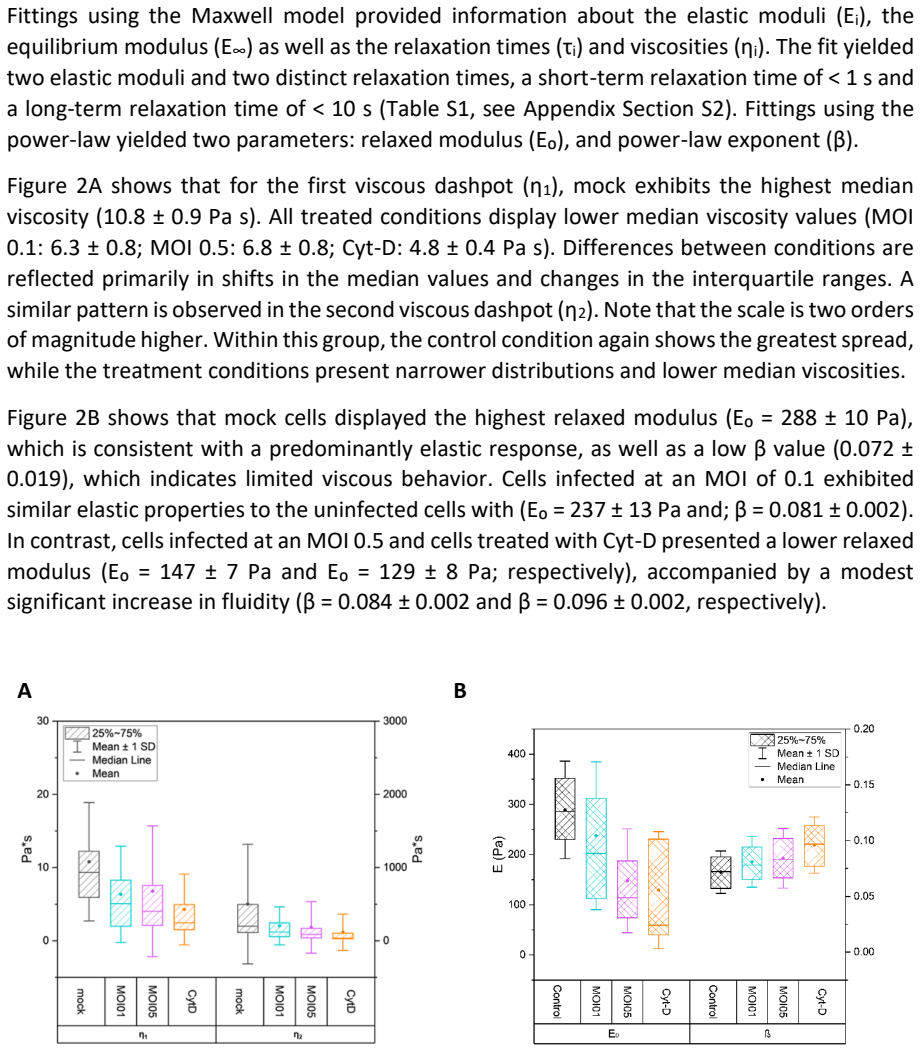
0
0
physics.bio-ph 2026-04-13 2 theorems

Wave physics enforces Kleiber's 3/4 metabolic scaling

The Dynamic Origin of Kleiber's Law

Dynamic impedance matching in proximal vessels sets the exponent and predicts scaling shifts in small animals without free parameters.

Figure from the paper full image
abstract click to expand
The ubiquitous $3/4$ metabolic scaling exponent, known as Kleiber's law, has long been attributed to the minimization of viscous dissipation within fractal transport networks. In this paper, we invert this standard narrative, demonstrating that Kleiber's law is fundamentally a signature of pulsatile wave physics rather than steady-state geometry. By coupling local branching optimization to global allometry, we derive the exact generalized metabolic exponent $\beta = d\alpha/(2d+\alpha)$, which strictly maps local transport microphysics to global organismal scaling. We show that dynamic wave-impedance matching in the proximal vasculature uniquely enforces $\beta = 3/4$ in three dimensions. This bound is dynamically protected: no static optimization of a viscous network can reproduce it. Consequently, we analytically predict the critical body mass for the wave-to-viscous transition, successfully explaining the empirical shift to steeper allometric scaling ($\beta \approx 0.9$) in small mammals and invertebrates with no free parameters. Furthermore, we demonstrate that the classical West--Brown--Enquist (WBE) derivation is structurally divergent under its own geometric assumptions, failing at the required proximal-dominance limit. Our framework is validated across nine biological systems spanning five phyla -- including vertebrate vasculature, insect tracheae, plant xylem, and sponge canals -- accurately predicting empirical branching exponents from independent biophysical measurements. Ultimately, we establish a general allometric equation of state that organizes diverse biological networks into discrete universality classes, generating falsifiable predictions across clades from shrews to flatworms.
1 0
0
physics.bio-ph 2026-04-10

Chemical changes tune microtubule quantum yield

Engineering quantum optical responses of microtubules through tryptophan-network simulations and ultraviolet spectroscopy

Simulations and experiments demonstrate that altering the tryptophan network modulates emission efficiency, pointing to rules for biological

abstract click to expand
Microtubules host dense ultraviolet-absorbing aromatic networks, suggesting an opportunity to engineer their optical response for biotechnology. Here we assess the feasibility of tuning microtubule fluorescence by combining an excitonic radiative-coupling model with molecular-dynamics-derived microtubule-like assemblies and steady-state absorbance and fluorescence measurements in microplate geometries. Simulations quantify how positional and orientational fluctuations reshape radiative rates and quantum yield, and predict how perturbing the tryptophan network by removing a specific site, adding an extra tryptophan at candidate binding pockets, or using mixed modification fractions can modulate emission. Experiments on porcine tubulin dimers and taxol-stabilized microtubules support these trends: polymerization enhances microtubule quantum yield at 280 nm and yields bounded changes at 295 nm due to scattering, while added L-tryptophan reproducibly quenches microtubules at both wavelengths. Together, theory and experiment provide evidence for chemically addressable tuning of microtubule quantum yield and motivate design rules for engineered microtubule photonics.
0
0
physics.bio-ph 2026-04-10

Motor binding creates repulsion that stops condensate coarsening

Active Transport as a Mechanism of Microphase Selection in Biomolecular Condensates

Low-fraction stochastic transport along filaments selects finite sizes tunable from nanometers to micrometers.

Figure from the paper full image
abstract click to expand
Cells control the size and organization of biomolecular condensates formed by liquid-liquid phase separation (LLPS), but multiple mechanisms likely contribute to this control and remain to be fully elucidated. Here we propose a transport-driven mechanism in which stochastic binding of phase-separating proteins to cytoskeletal motor proteins, followed by active redistribution along filament networks, generates an effective long-range repulsion that arrests coarsening and selects a finite condensate size. A minimal diffusion-transport model, analyzed by linear stability theory and three-dimensional simulations, reveals a transition from macroscopic to microphase separation at remarkably low binding/release fractions, corresponding to minute motor-bound populations. Tuning motor binding rates $b$ or transport velocities enables sublinear control of condensate sizes ($L \sim b^{-1/4}$) from nanometers to micrometers. In anisotropic cytoskeletal environments, transport asymmetry drives morphological transitions from spherical to cylindrical condensates. Operating independently of thermodynamic parameters, this mechanism provides a versatile, spatiotemporally programmable route to condensate organization and informs the design of synthetic active emulsions with tunable architectures.
1 0
0
physics.bio-ph 2026-04-10 Recognition

Plaque modifies double kissing crush stenting results

Influence of Plaque Characteristics on Stent Biomechanical Outcomes - A Case Study on Double Kissing Crush Coronary Stenting

Models with lipid and fibrous plaque show reduced artery opening, higher wall stress and altered blood flow compared to plaque-free cases.

abstract click to expand
Background Double Kissing (DK) Crush is a two-stent technique for complex coronary bifurcation lesions, yet the biomechanical influence of plaque on its performance remains poorly understood. This study developed a computational biomechanical model of the DK-Crush procedure to quantify how plaque presence and composition affect procedural outcomes and the performance of Xience Sierra and Orsiro stents. Methods A population-representative coronary bifurcation was modelled with no plaque, lipid plaque, and fibrous plaque. The complete DK-Crush sequence was simulated using finite element analysis for both stent platforms. Mechanical outcomes included arterial wall stress, malapposition, side branch ostium clearance, and residual stenosis. Post-deployment hemodynamics was assessed using pulsatile computational fluid dynamics, quantifying high shear rate volume and lumen area exposed to low time-averaged endothelial shear stress (TAESS). Results Plaque presence and stiffness reduced lumen restoration, increased arterial wall stress, led to larger high shear rate regions and, for fibrous plaque, increased exposure to low TAESS. Malapposition and ostial clearance depended mainly on stent design. Plaque also altered the relative performance of the two platforms, revealing differences not observed in plaque-free models. Conclusions Plaque characteristics substantially affect DK-Crush biomechanics and modify stent behaviour. Incorporating plaque is therefore essential for realistic computational evaluation of bifurcation stenting.
0
0
physics.bio-ph 2026-04-10 2 theorems

Bubbles from yeast metabolism let cells escape confining gels

Biogenic bubbles enable microbial escape from physical confinement

Fermentation produces CO2 bubbles that yield the matrix and carry immotile colonies far upward.

abstract click to expand
Immotile microbes inhabit nearly every environment on Earth, from soils and sediments to food matrices -- yet how they disperse through these physically confining environments is poorly understood. Here, we show that immotile microbial colonies confined in a model transparent yield-stress matrix can achieve long-range dispersal by harnessing their own metabolism. Using yeast as a model organism, we find that fermentation drives dissolved CO$_2$ to supersaturation, nucleating biogenic bubbles that grow, yield the matrix, and rise, hydrodynamically entraining cells vertically in their wake. Sequential bubble nucleation sculpts persistent columnar colonies extending far beyond what growth alone permits. Multiple colonies interact via their fermentation byproducts, merging and mixing genetically as they collectively sculpt self-sustaining conduit networks. Our findings reveal a third mode of microbial dispersal, distinct from the canonical mechanisms of motility and growth, with implications for ecology, environmental science, and biotechnology. More broadly, they exemplify a previously unrecognized class of active behavior -- Metabolically Driven Active Matter -- in which metabolic byproducts reshape the physical landscape of confinement to drive population-scale motion.
0
0
physics.bio-ph 2026-04-08 Recognition

PLGA coating slows burst release from bredigite antibiotic scaffolds

Drug-delivery Ca-Mg silicate scaffolds encapsulated in PLGA

The polymer layer keeps pores open for tissue growth while extending vancomycin delivery and lifting stem-cell survival in lab tests.

Figure from the paper full image
abstract click to expand
The aim of this work is to develop dual-functional scaffolds for bone tissue regeneration and local antibiotic delivery applications. In this respect, bioresorbable bredigite (Ca7MgSi4O16) porous scaffolds were fabricated by a foam replica method, loaded with vancomycin hydrochloride and encapsulated in poly lactic-co-glycolic acid (PLGA) coatings. Field emission scanning electron microscopy, Archimedes porosimetry and Fourier-transform infrared spectroscopy were used to characterize the structure of the scaffolds. The drug delivery kinetics and cytocompatibility of the prepared scaffolds were also studied in vitro. The bare sample exhibited a burst release of vancomycin and low biocompatibility with respect to dental pulp stem cells based on the MTT assay due to the fast bioresorption of bredigite. While keeping the desirable characteristics of pores for tissue engineering, the biodegradable PLGA coatings modified the drug release kinetics, buffered physiological pH and hence improved the cell viability of the vancomycin-loaded scaffolds considerably.
0
0
physics.bio-ph 2026-04-08 Recognition

Resorption rate outweighs drug release in microsphere biocompatibility

Competition of carrier bioresorption and drug release kinetics of vancomycin-loaded silicate macroporous microspheres to determine cell biocompatibility

Stem cell viability ranks diopside highest, then akermanite, then bredigite for vancomycin-loaded carriers, indicating carrier breakdown as

Figure from the paper full image
abstract click to expand
Bioceramic porous microspheres are promising substances for dental and orthopedic bone void filling, tissue engineering and drug delivery applications. In this research, the structure and cytocompatibility of bioactive magnesium-calcium silicate macroporous microspheres loaded with vancomycin hydrochloride, an antibiotic drug, were studied. In this regard, bredigite (Ca7MgSi4O16), akermanite (Ca2MgSi2O7) and diopside (CaMgSi2O6) carriers were fabricated through a sequence of sol-gel, calcination, droplet extrusion and sintering processes, followed by impregnated with vancomycin. X-ray diffraction (XRD) and scanning electron microscopy verified the formation of the desired ceramic crystalline phases and macroporous characteristics of the carriers, respectively. Based on the MTT assay, the antibiotic-loaded bredigite, akermanite and diopside devices comparatively exhibited the lowest, intermediate and highest levels of human bone marrow mesenchymal stem cells (hBM-MSCs) viability and proliferation, respectively. It was concluded that the role of the carrier bioresorption kinetics prevails over the drug delivery kinetics in determining the cell biocompatibility of the devices.
0
0
physics.bio-ph 2026-04-08 2 theorems

Slovakia mass testing linked to higher mortality not lower cases

Slovakia's Mass Testing: A Critical Look at the Negative Effects

Re-evaluation finds testing rounds mismatched with case declines and coincided with rising deaths through maintained mobility.

abstract click to expand
This e-letter re-evaluates the epidemiological impact of nationwide mass antigen testing in Slovakia. While initial reports \cite{Pavelka} proposed a causal link between these campaigns and declining viral prevalence, granular re-analysis reveals a significant temporal mismatch. We argue that the proclaimed success represents a conceptual nexus lacking empirical support; shifts in the effective reproduction number ($R_t$), case trajectories, and mortality rates do not align with the testing rounds. Crucially, the mortality-to-hospital admission ratio exhibits a distinct inverse relationship with the interventions. Rather than providing a clinical benefit, the testing campaigns were followed by increased mortality and a strained healthcare system. We contend that these adverse outcomes were a direct consequence of the testing policy, which sustained higher overall mobility levels compared to the United Kingdom. By overattributing causality to mass testing, a spurious nexus was constructed, obscuring the true drivers of the pandemic and its socio-economic consequences.
0
0
physics.bio-ph 2026-04-07 2 theorems

Phenomenological inductance aids axon action potential models

On phenomenology of physical effects in axons

Hybrid models use observables for coupled effects to describe signal propagation in nerve fibres more realistically.

abstract click to expand
This paper deals with the mathematical modelling of signal propagation in nerve fibres. Due to the complexity of the processes where electrical, mechanical, and thermal effects are coupled, a phenomenological approach helps to build mathematical models. The ideas of phenomenology are briefly presented, and their application is described. These applications cover the modelling of ion currents (the Hodgkin-Huxley model), temperature effects, and inductance. This means that the ion currents through the biomembrane, the influence of endo- and exothermic reactions on temperature, and the influence of energy in a non-electrical form are taken into account using phenomenological variables, i.e., observables. Such an approach brings the mathematical models closer to reality. Using the concept of phenomenological inductance helps us better understand the propagation of an action potential in myelinated axons. In principle, contemporary mathematical models describing the process in axons are hybrid in nature, combining physical laws with phenomenology, i.e., with observables.
0
0
physics.bio-ph 2026-04-06 2 theorems

Shot noise limits single ion channel voltage accuracy to 10 mV

Thermal fluctuations set fundamental limits on ion channel function

Thermal fluctuations from discrete ions set a hard bound on 10 microsecond gating timescales close to observed performance.

Figure from the paper full image
abstract click to expand
Voltage-gated ion channels are essential for propagating signals in neurons. Each channel senses the local membrane potential created by nearby ions. Fluctuations in these ions introduce two fundamental noise sources: (i) shot noise, from the discreteness of ionic charge, and (ii) Johnson-Nyquist noise, from long-wavelength thermal fluctuations of the electric field. We show that, for an individual channel, shot noise dominates and sets an intrinsic limit to voltage sensing. On the $10$ $\mu$s timescales relevant to channel gating, this limit corresponds to an accuracy of about $10$ mV -- close to measured channel sensitivities. When signals from many channels are aggregated, Johnson-Nyquist noise eventually overtakes shot noise and bounds the total information that can be sensed from the environment. This transition occurs at an ion channel density of $< 1$ channel/$\mu$m$^2$ for slow signals and around $10^2-10^4$ channels/$\mu$m$^2$ for signals with $10$ $\mu$s timescales, both of which are within the range of experimentally-measured densities for somas and axon initial segments, respectively. These results provide design principles for single-channel architecture and collective sensing and suggest that neuronal computation is ultimately constrained by thermal fluctuations.
0
0
physics.bio-ph 2026-04-06 2 theorems

Measles vaccine virus softens Vero cells by 35% in 24 hours

Mechanical Softening of Vero Cells Induced by an Attenuated Measles Vaccine Virus

AFM shows reduced elastic modulus and actin reorganization in infected cells, matching effects of chemical actin depolymerization

Figure from the paper full image
abstract click to expand
Quantitative characterization of biophysical alterations caused by viral infection remains at an early stage. In this study, we examined the mechanical response of Vero cells after exposure to an attenuated Measles Vaccine Virus using atomic force microscopy (AFM) in combination with confocal microscopy. AFM force distance measurements were conducted in the perinuclear region to evaluate changes in elastic and viscoelastic properties. Within 24 hours post infection, cells infected at a multiplicity of infection of 0.5 exhibited an approximately thirty five percent decrease in median of the Young modulus relative to uninfected controls, indicating substantial cellular softening. Corresponding shifts in viscoelastic behavior were observed, including reductions in the relaxed modulus and in viscosities (effects comparable to those induced by cytochalasin D mediated actin depolymerization). Confocal microscopy further revealed a dependent reorganization of the cytoskeleton upon infection, marked by altered F actin distribution and changes in filament architecture. These findings suggest that actin remodeling contributes to the altered viscoelastic properties observed during infection. This work proposes a straightforward and complementary approach for characterizing virus cell interactions by integrating AFM with confocal imaging.
0

browse all of physics.bio-ph → full archive · search · sub-categories